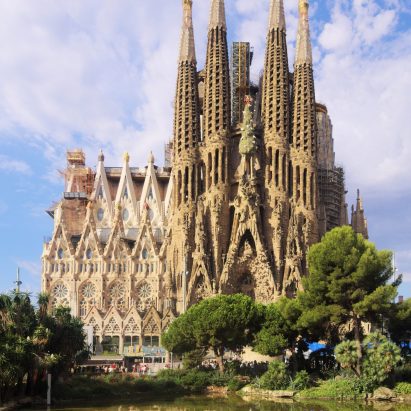
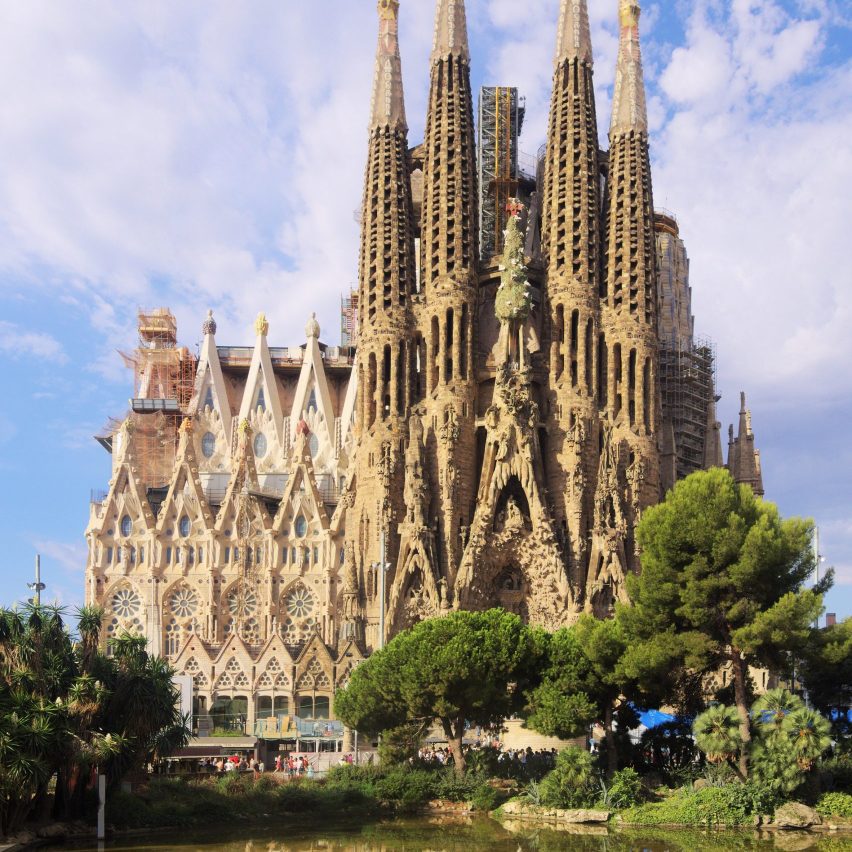
Antoni Gaudi's influence on global architecture is more limited than his towering fame might suggest, according to a new in-depth feature published as part of a centenary series marking the Catalan architect's legacy. The piece, written by features editor Nat Barker, explores why the designer behind Barcelona's Sagrada Familia inspired surprisingly few direct imitators despite being one of the most recognized names in the history of the discipline.
Reassessing a famous architectural legacy
Gaudi's buildings are instantly identifiable, all sinuous curves, organic forms and richly decorated surfaces. Yet the feature argues that his work has been far less influential on the practice of architecture than his celebrity would lead you to expect. Published as part of the Gaudi Centenary series, the article uses that tension as a launching point to ask how influence in architecture is actually measured, and why widespread fame does not automatically produce a school of followers carrying a style forward.
It is a useful distinction. Plenty of architects are household names without spawning movements, while others, far less famous, quietly reshape how buildings get designed for decades. Gaudi, the feature suggests, belongs firmly in the first camp: revered, photographed endlessly, and yet rarely copied in serious practice. For readers who enjoy long-form design and architecture features, it is a thoughtful reassessment of a figure whose reputation has rarely been questioned.
An interview with Diebedo Francis Kere
The same edition pairs the Gaudi analysis with an interview with Pritzker Architecture Prize winner Diebedo Francis Kere, who reflects on his career and tells the publication, "I still say to myself, I have achieved a lot." The conversation is tied to a new book on his work.
Kere, known for community-focused architecture that responds to local materials and needs, offers a pointed contrast to Gaudi's singular, highly personal vision. Placing the two side by side broadens the discussion of how architects leave a lasting mark, whether through a widely adopted method and philosophy or through a body of work so distinctive it actively resists imitation. One spreads influence by being teachable; the other endures precisely because it cannot be easily reproduced.
What else is in the Dezeen In Depth feature
The roundup appears in Dezeen In Depth, a monthly feature sent on the last Friday of each month that delves deeper into the major stories shaping architecture and design. Each edition follows a consistent format, pairing an original feature article on a key topic or trend with an interview with a prominent industry figure and an opinion piece from a leading critic. The aim is to give readers analysis, first-hand perspective and critique in one place rather than a stream of short news items.
Alongside the Gaudi essay and the Kere interview, this edition includes an opinion piece on IKEA's new PS collection, rounding out a set of stories on the trends and personalities driving design debate. For more long-form coverage of the people and ideas shaping the built environment, the centenary series offers a far deeper look than a typical news write-up.
Why it matters
The feature's underlying argument carries weight beyond Gaudi himself. It makes the case that even the most iconic architects deserve periodic re-evaluation, and that real influence in the field is often more complicated than reputation alone would suggest. Fame measures recognition; influence measures how many others build differently because of you. Separating the two is a healthy corrective in a discipline that, like much of design and the built environment, can mistake celebrity for impact.
Frequently asked questions
Who designed the Sagrada Familia?
Antoni Gaudi, the Catalan architect whose legacy is the subject of the Dezeen feature. The Sagrada Familia in Barcelona is his most famous work and remains instantly recognizable worldwide.
What is the feature's main argument about Gaudi?
That Gaudi's actual influence on how architecture is practiced is more limited than his fame implies, because his highly personal style produced few direct imitators or a continuing school of followers.
What is Dezeen In Depth?
A monthly Dezeen feature published on the last Friday of each month, pairing an original feature article with an interview with a prominent figure and an opinion piece from a leading critic.