World Cup public transit systems across sixteen North American host cities are facing an unusually public stress test this summer, reshaping how those cities move huge crowds without relying on cars, according to a new analysis from infrastructure scholar Deb Chachra writing for Dezeen.
Why FIFA forced cities to rethink transit
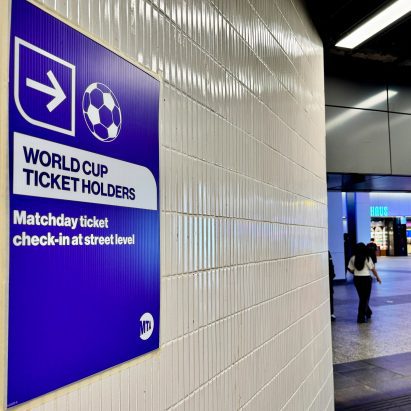
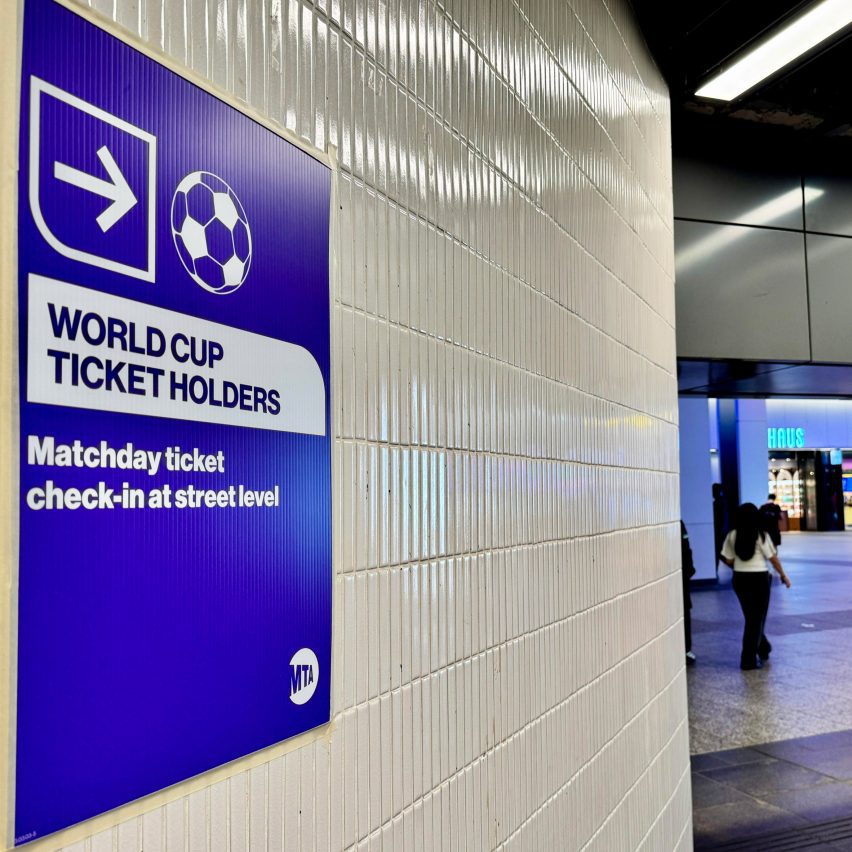
When North American cities signed on in 2018 to host the 2026 World Cup, part of the deal with FIFA was a promise of free match-day transportation for fans. Five years later, covering that cost proved an enormous financial burden, especially for stadiums built to be reached mainly by car. FIFA amended the agreement so ticket holders would instead be guaranteed access to "transport (public or additionally planned transport) at cost," mandating that every host city provide some form of game-day mass transit rather than free rides.
Unlike the Olympics, where one host city absorbs the pressure, the World Cup spreads a month of grueling mobility demands across sixteen wildly different cities. Chachra frames it bluntly: tens of thousands of people needing to be in the same place at once is one of the hardest problems in personal mobility, and FIFA's mandate underscores a basic truth, cars simply do not scale to that kind of demand.
Where World Cup transit has struggled
Stadiums designed around private car access leave cities with few options beyond shuttle-bus fleets running from park-and-ride lots. The math rarely works: a stadium holds tens of thousands of fans, while a full-size bus carries well under a hundred. That gap shows up hardest in places like Miami, which already deals with heavy traffic, or spread-out cities like Kansas City, where longer routes mean more buses, more waiting, or both.
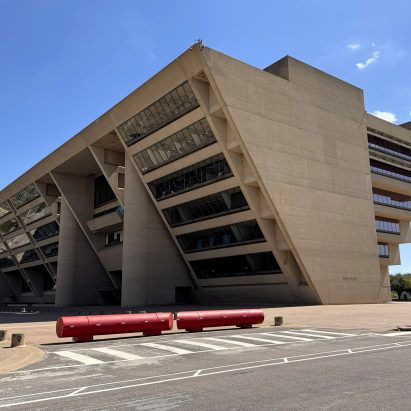
Dallas offers a partial counterexample: a hybrid setup with trains to a station less than ten miles from the stadium, followed by a short shuttle-bus link, reportedly performed better than pure bus-based systems. Even where driving remains an option, transit is winning out: despite thousands of nearby parking spaces, Houston's metro line to its stadium ran at capacity for the tournament's first game.
Cities that used the World Cup as a deadline
Transit-first cities such as New York, New Jersey, Toronto, Guadalajara, Philadelphia, and Vancouver took a different approach, largely amplifying existing service to absorb crowds while minimizing disruption for regular riders. Vancouver had done this before: the SkyTrain's Canada Line, connecting the airport to downtown, was originally built for the 2010 Winter Olympics.
Boston and Monterrey pushed further, using the tournament as a hard deadline for new permanent facilities. Boston's matches sit at Gillette Stadium roughly 25 miles southwest of the city in Foxborough, where round-trip dedicated train tickets cost $80 as an add-on to a match ticket, a price that lines up with FIFA's "at cost" mandate. That fare helped fund a $35 million upgrade to Foxborough Station, including a temporary platform finished just days before the first match. Monterrey's more ambitious plan for two new monorail lines didn't make it in time, so the city is leaning on its existing network instead. Mexico City used the same deadline to modernize a major multimodal transit hub, a less glamorous project than a new rail line, but one that keeps paying off long after the tournament ends. This kind of large-scale infrastructure investment tends to move slowly without a firm external deadline.
The tech making game-day transit easier
Two recent advances are doing much of the heavy lifting: real-time, GPS-based bus tracking on smartphones, which lets agencies add contingency service without leaving riders waiting blindly at a stop, and open-loop tap-to-pay fare systems that accept any bank card or phone instead of a dedicated transit card. London finished its tap-to-pay rollout in 2015, and the Los Angeles Metro pushed to launch its own version in time for this year's tournament, a detail that matters most for jet-lagged visitors juggling unfamiliar ticket machines and the wrong kind of payment card.
What the World Cup transit experiment means going forward
Chachra's broader argument is that FIFA effectively forced American cities, including deeply car-centric ones, into a month-long, real-world experiment in public transit. That gives residents in each host city a rare, visible comparison point: concrete examples of approaches that work better, drawn from cities hosting the same tournament. Only one team leaves the World Cup as champion, but plenty of cities get the chance to learn, or even demonstrate, how to make transit work better for everyone, not just on match day. Coverage of how the tournament is playing out city by city continues in our latest news section.
Frequently asked questions
Did FIFA require free transit for the 2026 World Cup?
Not exactly. The original 2018 hosting agreement promised free match-day transport, but FIFA later amended that commitment so ticket holders are guaranteed transport access "at cost" instead.
Which city's World Cup transit setup has performed best so far?
According to early reports cited in the analysis, Dallas's hybrid train-and-shuttle system and Houston's heavily used metro line have both stood out, while car-dependent, spread-out cities have faced bigger shuttle-bus bottlenecks.