World Monuments Fund has released its first Irreplaceable America list, naming 10 at-risk cultural and historic sites across the United States ahead of the country's approaching 250th anniversary. The heritage organization says the sites capture the full sweep of the nation's story, from Spanish colonial missions to modern civil rights landmarks, and each faces its own threat to survival.
What sites made the Irreplaceable America list
The 10 selections were drawn from public submissions and narrowed down by a jury of preservation experts. Together they span hundreds of years of American history and building traditions, according to World Monuments Fund (WMF).
- Watts Towers, the folk-art spire built by Simon Rodia in Los Angeles
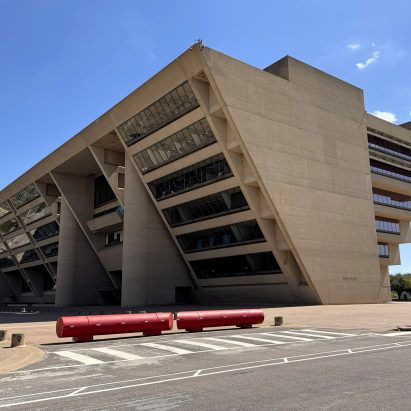
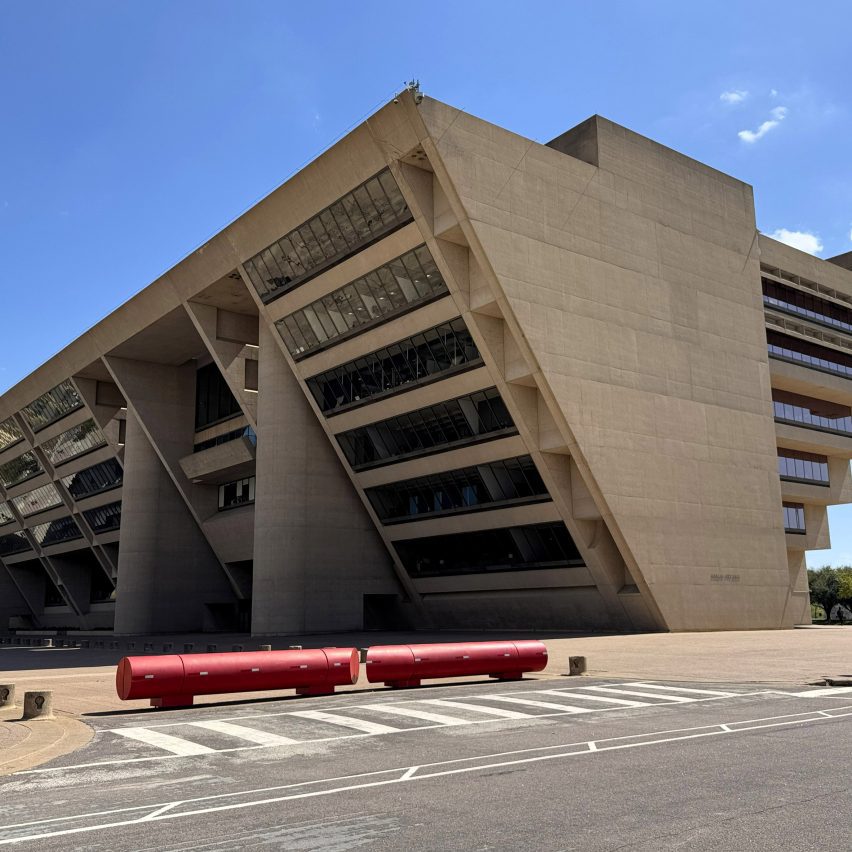
- Dallas City Hall, the Brutalist landmark designed by I.M. Pei
- The entirety of the city of New Orleans, Louisiana
- Mission Churches of Acoma and Laguna Pueblos, New Mexico
- Colonial-era homes in Newport, Rhode Island
- Black Mountain College Studies Building, North Carolina
- Bartram's Garden, the oldest botanical garden in the US, in Philadelphia
- The Smallpox Hospital Ruin on Roosevelt Island in New York
- The African Meeting House in Boston, Massachusetts
- The Wright brothers' Huffman Prairie Flying Field in Dayton, Ohio
Why these historic sites are under threat
The dangers facing the list vary from site to site, but climate change is one of the most common threats WMF identified. The entirety of New Orleans made the list for that reason, as did Bartram's Garden and the colonial homes of Newport, which face rising sea levels. Encroaching development is squeezing Bartram's Garden and Dallas City Hall alike, while simple neglect has left the Smallpox Hospital Ruin to crumble and put Watts Towers at risk from earthquakes and shrinking arts funding.
Shifting federal policy is also playing a role. WMF says changes in interpretation guidance tied to recent federal actions on diversity programming are affecting how sites like the African Meeting House, the oldest surviving Black church in the country, tell their history. "That complexity gave rise to some of America's most enduring contributions, from colonial heritage to jazz and hip-hop and the Wright brothers' invention of powered flight," World Monuments Fund president and CEO Bénédicte de Montlaur said of the list.
Why the Irreplaceable America list matters ahead of USA 250
The list lands as the federal government reshapes Washington, D.C.'s monuments and proposes new ones, including a planned triumphal arch on the Potomac River, renewing debate over how the country commemorates its past. WMF used the moment to add a special designation of its own: the National Park Service (NPS), which manages many of the country's landmarks and preservation grants.
"The NPS plays a central role in that system by managing national landmarks, administering federal preservation grants, and helping establish standards for restoration and stewardship," said Jon Buono, WMF's senior regional director for the USA and Canada. "At a time of growing pressure on heritage places nationwide, leadership remains essential."
De Montlaur framed the broader list as "a call to protect the places that reflect the richness of that history, and the role heritage plays in education, community memory, and civic life" as the country marks 250 years of independence. The same climate science driving sea-level rise in Newport and storm risk in New Orleans is central to why WMF flagged these sites now rather than waiting for a future anniversary. More heritage and culture news on the list's sites is expected as restoration campaigns get underway in the coming months.
Irreplaceable America: quick answers
What is the World Monuments Fund's Irreplaceable America list?
It's a new designation from the nonprofit World Monuments Fund naming 10 U.S. cultural and historic sites it considers most at risk, timed to the country's 250th anniversary.
Which sites on the list are most threatened by climate change?
WMF cited the city of New Orleans, Bartram's Garden in Philadelphia, and the colonial homes of Newport, Rhode Island, as facing the most direct climate-driven risks, including flooding and sea-level rise.