Rising AI demand is the main reason consumer tech prices keep climbing, as the boom in AI products drives up the cost of the memory and storage that goes into phones, laptops, and game consoles. Smartphones have mostly been spared so far, but that no longer looks sustainable, and this week two major brands gave way to the pressure as tech price hikes spread across the industry.

Apple and Microsoft both raise prices
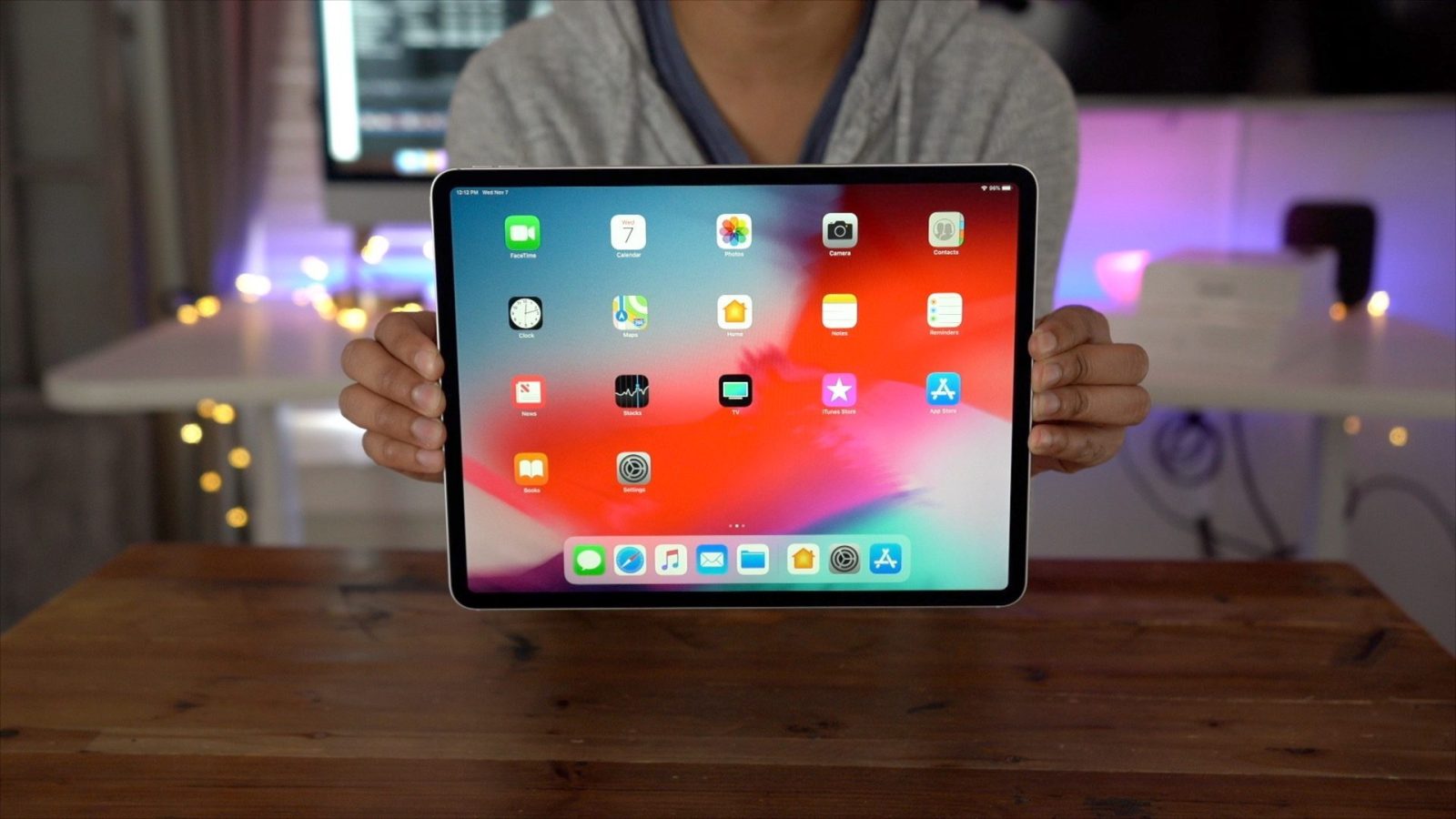
Microsoft issued yet another Xbox price increase, but the bigger domino was Apple, which raised prices across nearly its entire lineup except the iPhone, AirPods, and Apple Watch. These are not small bumps either, with hundreds of dollars added to many products, including parts of the MacBook range.
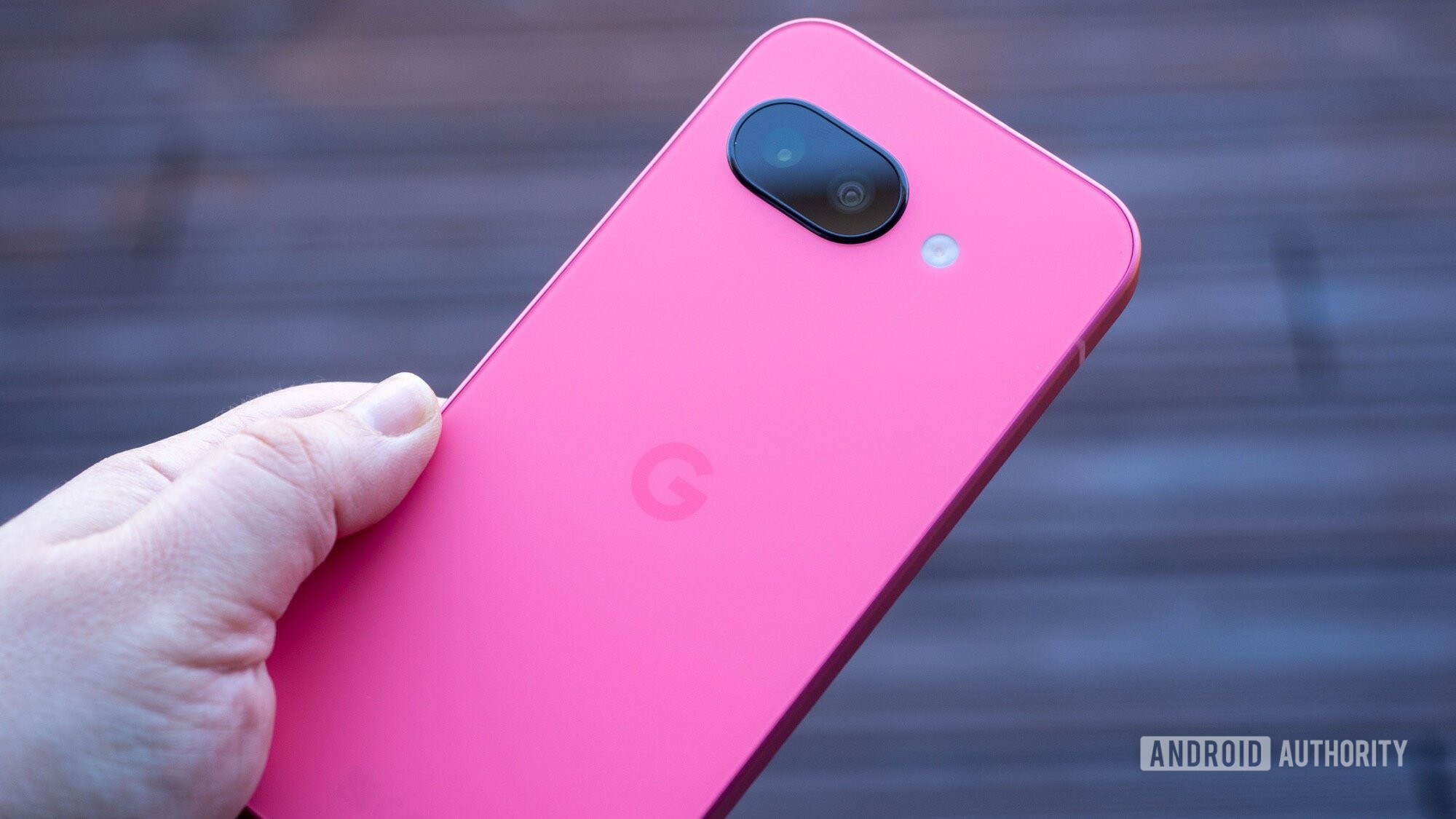
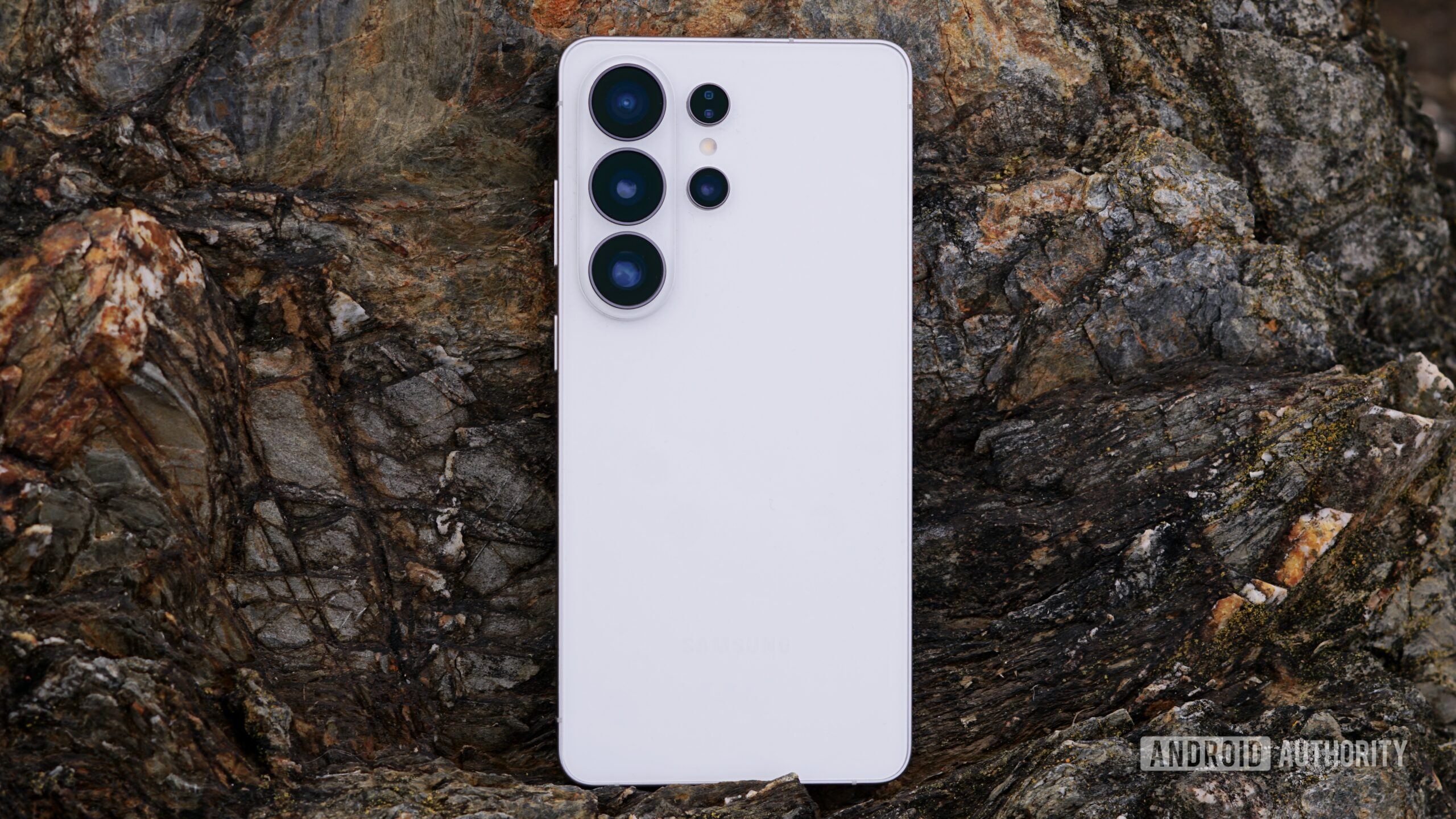
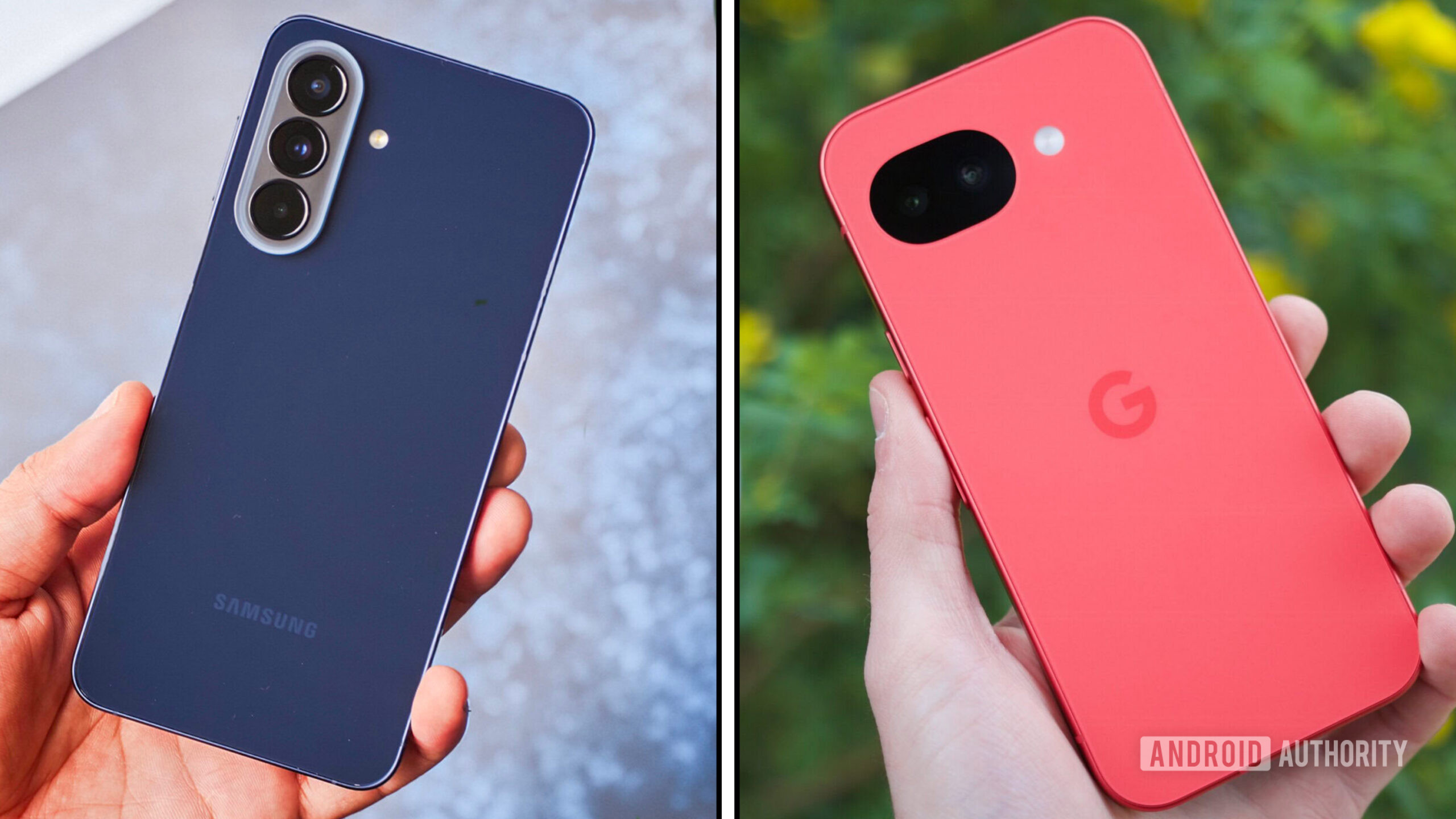
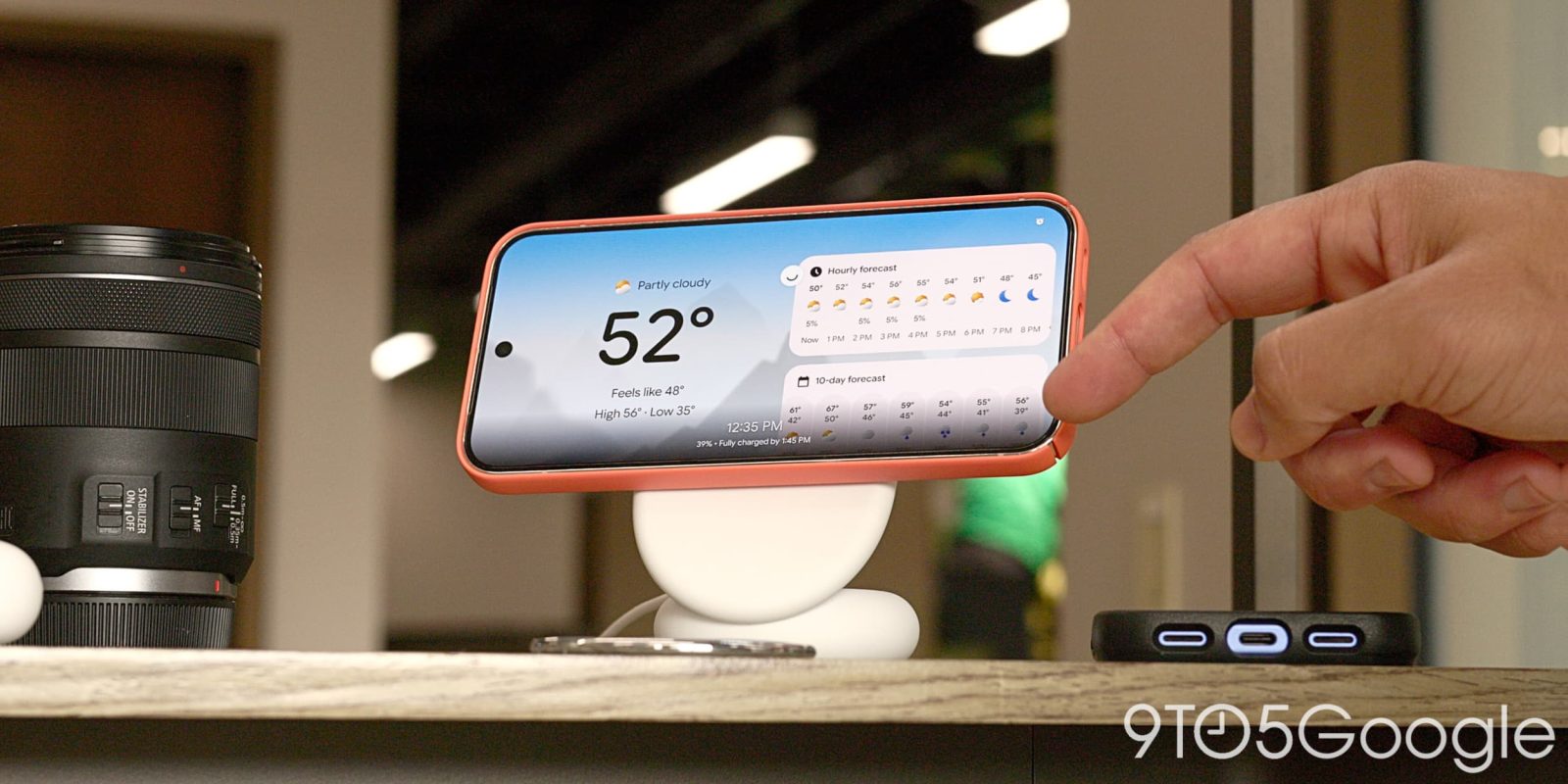
That is a significant tipping point, because Apple had been one of the biggest holdouts on pricing. Motorola, Samsung, Lenovo, Sony, and countless other big brands announced their first waves of increases months ago while Apple held the line. Google is now the only notable holdout left, though it feels almost inevitable that Pixel will be affected in one way or another. For more on the latest handsets, see our mobile news.
Why memory and storage costs are surging
The root cause is the steep rise in demand for memory and storage that has come with the rapid growth of AI products and services. Training and running large AI models consumes enormous amounts of high-bandwidth memory, and that hunger is pulling supply away from consumer devices. Microsoft acknowledged the problem is not going away soon:
We hoped another price increase would not be necessary, and we have spent the last several months working with suppliers on options. Unfortunately, console storage and memory prices have increased by more than 2.5x and we expect another doubling by the fall of 2027. The entire consumer electronics industry is struggling with the current components crisis.
By Microsoft's own numbers, component costs have already risen more than 2.5 times, with another doubling expected by late 2027. That points to a difficult stretch for any hardware launching over the next year or two, and the public backlash could be sharp once it hits the price of a new phone or console directly.
What it means for upcoming devices
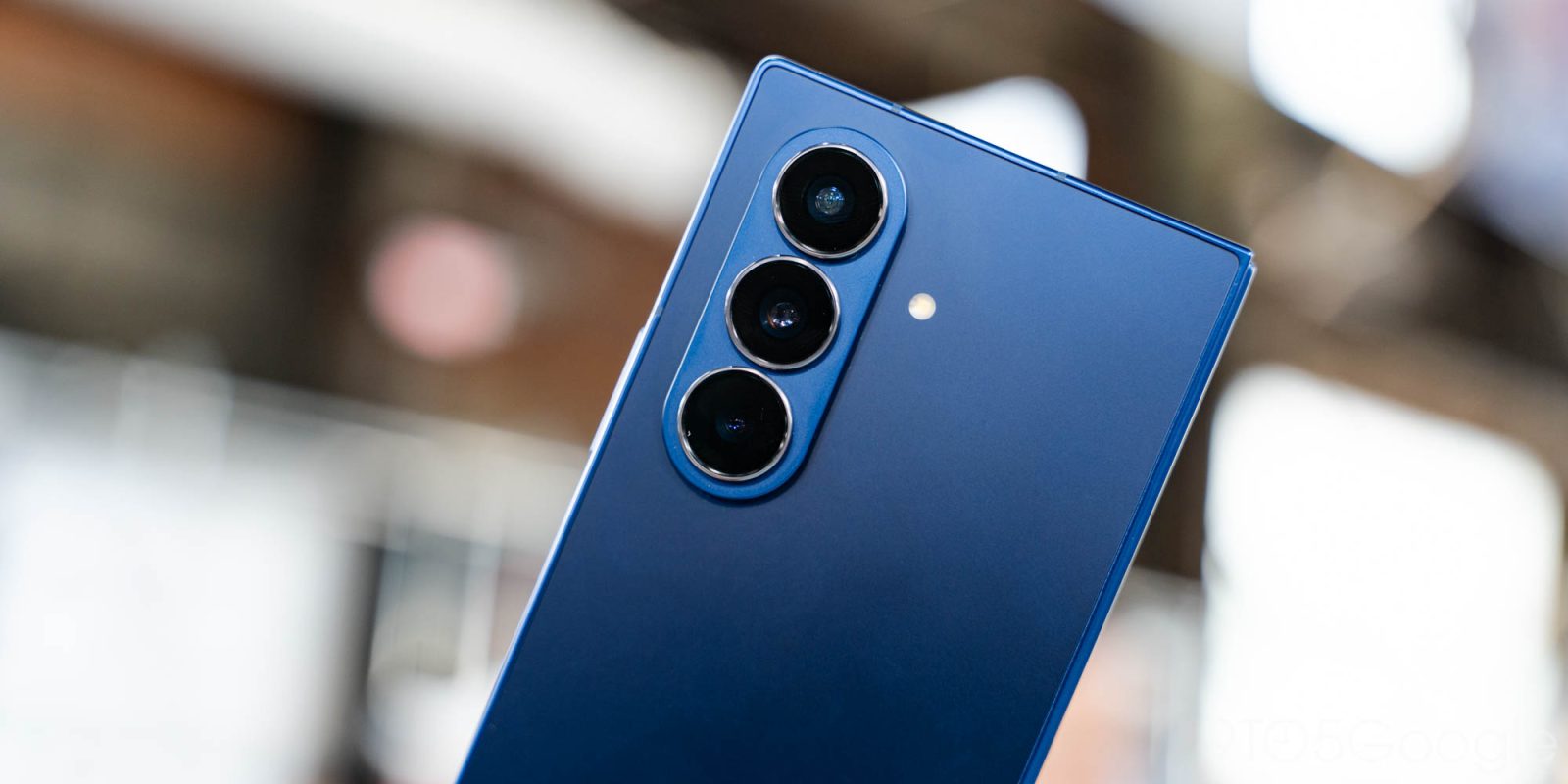
Upcoming releases such as the Galaxy Z Fold 8, Pixel 11, and iPhone 18 are all very likely to cost more, and not because of any dramatic new upgrades. It is a vicious cycle: companies are building everything around AI, including their hardware, yet the memory shortage that AI demand creates inevitably raises the price of those same devices.
The dynamic feeds on itself. Everyone's desire to build better AI products requires more compute, which demands more memory, which pushes those very products further out of reach by driving prices up. And yet the AI train keeps chugging along, with no sign that companies plan to slow their investments. To follow how artificial intelligence is reshaping the hardware industry, keep an eye on our ongoing coverage. For now, the pressure on tech pricing shows little sign of easing.
Frequently asked questions
Why are tech prices going up because of AI?
AI products and data centers consume huge amounts of memory and storage, driving up component demand and prices. That cost increase flows through to phones, laptops, and consoles that use the same chips.
How much have console memory and storage costs risen?
Microsoft says console storage and memory prices have increased by more than 2.5 times, and it expects another doubling by the fall of 2027.
Will the iPhone 18 and Pixel 11 cost more?
Likely yes. Industry-wide component pressure makes higher prices probable for upcoming devices like the iPhone 18, Pixel 11, and Galaxy Z Fold 8, even without major new features.