An AI cat translator named PettiChat has reignited the dream of talking to cats, but animal experts say the device is closer to better understanding than true translation. Launched in spring 2026, the collar-mounted wearable claims to analyze vocalizations and behavior to generate real-time interpretations of what cats and dogs may be feeling.
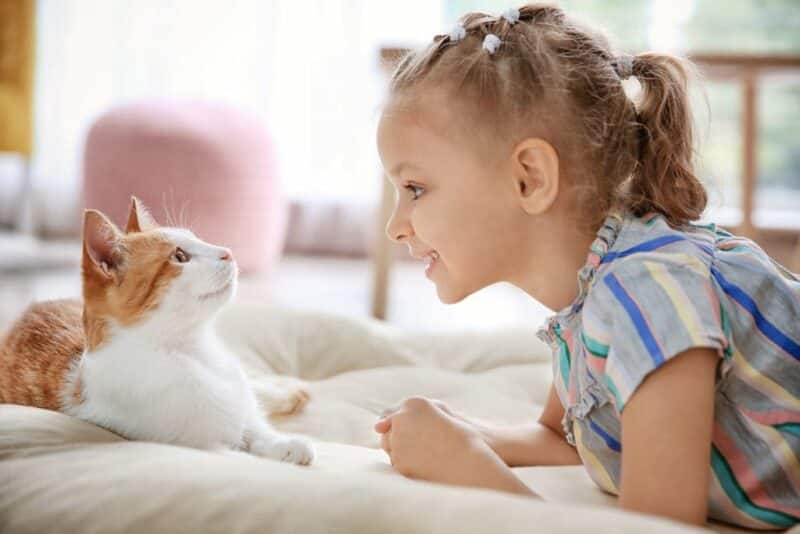
How the AI cat translator works
Rather than reading sound alone, PettiChat’s makers say the system weighs vocalizations alongside behavioral data to estimate a pet’s likely emotional state or intention. That context-first approach is more scientifically promising than analyzing a meow in isolation, because the same sound can mean very different things depending on the situation.
It mirrors how veterinarians assess behavior in practice: a vocalization is rarely judged on its own, but read against the whole scene — posture, setting, time of day, and what just happened. A collar that fuses audio with movement data is, in principle, closer to that holistic method than a phone app that only listens. You can follow more on this kind of pet-focused technology in our AI news coverage.
Cats already communicate, just not in words
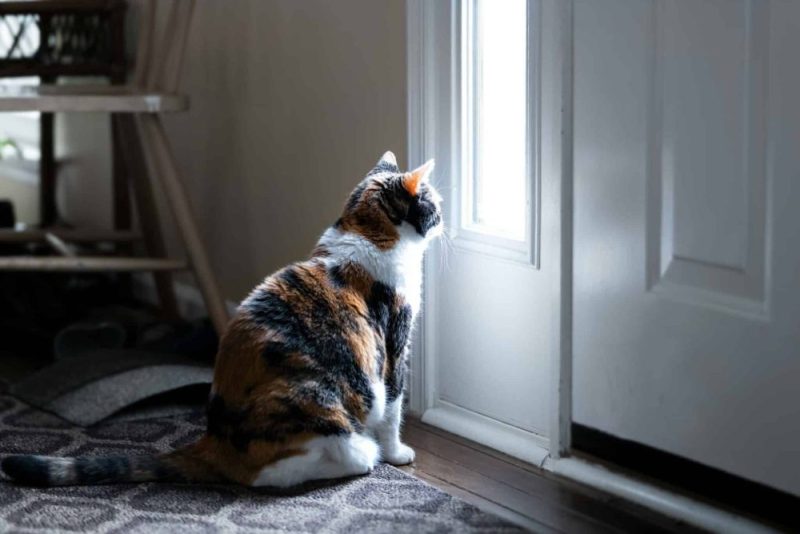
The challenge has never been that cats have nothing to say. They are skilled communicators who rely on posture, tail position, ear movement, facial expressions, scent, and touch, with meows forming only one piece of the puzzle. Reducing all of that to a translated sentence risks throwing away most of the signal.
Notably, adult cats meow far more at humans than at other cats, suggesting they adapted some vocal signals specifically for us over thousands of years of cohabitation. In effect, the meow is already a tool cats invented to manage their humans.
- A dinnertime meow often sounds different from an attention request.
- Cats learn which sounds get results, and owners gradually learn to respond.
- There is no evidence a meow maps neatly to a full human sentence.
Understanding is not the same as translation
Most behaviorists consider the “pet translator” label an oversimplification. Vocalizations typically convey emotional state, motivation, or immediate needs rather than language with grammar and vocabulary. AI may eventually flag reliable patterns tied to hunger, stress, or contentment, which would be genuinely useful — but that is a long way from a two-way conversation.
The risk is that marketing outpaces the science. If owners trust a confident on-screen sentence over their own observation, a translator could mislead as easily as it helps. The honest framing is probabilistic: a likely mood, not a quote.
The real benefit: spotting illness early
The most useful potential of tools like PettiChat is observation, not chat. Cats famously hide pain and illness, and early warning signs are often subtle shifts in activity, sleep, litter habits, or sociability that are easy to miss in busy homes.
If these systems reliably flag unusual behavior, they could prompt owners to seek veterinary care sooner — a meaningful welfare win. No device can diagnose disease or replace a hands-on exam, but anything that encourages closer attention may support better health outcomes. For more on pet wellbeing, see our health guides. Ultimately, independent, peer-reviewed validation will decide how accurate these translators really are.
Frequently asked questions
Can PettiChat actually translate what my cat is saying?
Not in the literal sense. It estimates a likely emotional state or intention by combining vocalizations with behavioral data; experts say that is closer to interpretation than translation, since meows do not map to human sentences.
Is an AI cat translator worth buying?
Its strongest use is as an observation aid that may flag unusual behavior early, prompting a vet visit. It cannot diagnose illness or replace a professional examination, so treat its readouts as hints rather than facts.