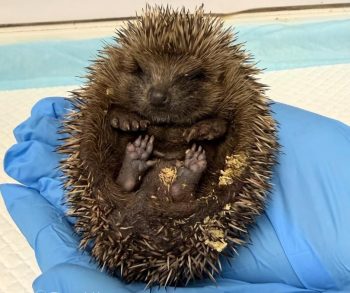
Flystrike nearly killed a young hedgehog within hours before wildlife staff saved it by removing fly eggs one at a time with a toothbrush. The painstaking rescue at Tiggywinkles Wildlife Hospital shows just how fast and how dangerous this infestation can be for a vulnerable wild animal, and why recognising flystrike early can mean the difference between life and death.
What flystrike is and how it kills so quickly
Flystrike, known clinically as myiasis, develops when flies lay eggs on an animal that is injured, sick, or unable to groom itself. Once the eggs hatch, the maggots feed on living tissue, causing intense pain, severe open wounds, and rapidly spreading infection.
The danger lies in the speed. Fly eggs can hatch in well under a day in warm conditions, so a creature that looked only slightly unwell in the morning can be in a critical state by evening. For a small mammal with limited reserves, that timeline leaves almost no margin for delay.
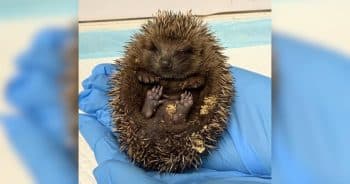
The hedgehog brought into Tiggywinkles arrived weak and unable to defend itself. To the casual eye it looked like a minor patient, but staff recognised the hallmarks of a serious infestation that demanded immediate intervention.
A toothbrush, a steady hand, and hours of work
The most remarkable part of the treatment was also the most time-consuming. A wildlife nurse worked methodically through the hedgehog's spines and skin using nothing more than a toothbrush, lifting away every visible fly egg by hand.
- Precision: even a single egg left behind could let the infestation continue and undo the entire rescue.
- Cleaning: the affected areas were then flushed with medication to disinfect the wounds.
- Recovery: supportive care followed, aimed at rebuilding the animal's strength before any thought of release.
It is slow, exacting work with no shortcuts. Hedgehog spines make every egg hard to reach, and rushing risks leaving traces behind. The toothbrush technique succeeds precisely because it is gentle and thorough where a quicker method would fail.
Why hedgehogs are especially at risk
Flystrike spreads fastest in warm weather, when flies are most active and breeding. An animal that seems only mildly off-colour can deteriorate dramatically as the maggots take hold and the body begins to fight a losing battle.
Hedgehogs face an extra layer of risk. Illness or injury frequently leaves them too weak to groom or roll into their protective ball, so they cannot dislodge eggs themselves. By the time the eggs become visible to a passer-by, the animal may already be in a serious condition, which is why wildlife hospitals press the public to act without hesitation.
How to spot the warning signs
Cases like this are a reminder to stay alert when you encounter wildlife in your garden or on a walk. A few signals should prompt immediate concern:
- A hedgehog active during daylight, when the species is normally strictly nocturnal.
- Unusual sluggishness, wobbling, or visible wounds.
- Flies persistently gathering around the animal's body.
Any of these can flag a medical emergency. Contacting a local wildlife rescue or hospital quickly gives the animal its best chance, because early treatment dramatically improves the odds of a full return to the wild. Every hour that flystrike goes untreated makes recovery harder. For more on responsible animal care and rescue, see our health and wellness coverage, and follow related wildlife and nature stories in our science section.
Common questions about flystrike
Can I treat a flystruck hedgehog myself?
No. Removing maggots and eggs safely requires veterinary tools, pain relief, and wound care. Handling it wrongly can cause more harm. Keep the animal warm and contained in a ventilated box and call a wildlife hospital straight away.
What time of year is flystrike most common?
It peaks during warm months when flies are breeding heavily, roughly late spring through summer, though it can occur any time temperatures stay mild.
Does flystrike mean the animal cannot be saved?
Not necessarily. As this rescue shows, animals treated early can recover well. The outcome depends almost entirely on how quickly the infestation is caught and treated, which is why speed matters so much.
Thanks to the team's patience and skill, this small survivor now has a renewed chance at a healthier life back in the wild.