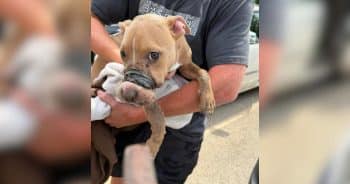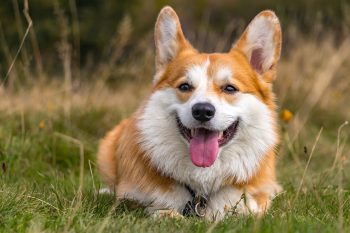
A deaf rescue puppy named Dozer found his forever home after a long journey that began in Texas, passed through a Colorado snowstorm, and ended with a family who could not imagine life without him. Originally called Orion, the puppy's happy ending came together through rescuers, volunteer transporters, dedicated foster parents and adopters who took a chance on a deaf dog with a rough start.
A long road to hope
Earlier this year, Orion was one of many dogs aboard a Rescue Road Trip bound for Colorado. As winter weather swept across the region, volunteer drivers pushed on through icy roads to deliver every dog safely. His foster mom, Molly, recalls meeting the transport late at night after a snowstorm, joined by a crowd of people waiting in the cold to greet the driver who had traveled hours from Texas.
Long-distance rescue transports like this are a quiet backbone of animal welfare, moving dogs from crowded shelters in one region to areas where adopters and fosters are waiting. Orion's trip is a small example of the logistics and goodwill that go into a single adoption.
Four months in foster care
Molly and Chris welcomed Orion as their first foster dog. Soon after arriving, he was diagnosed with a stubborn case of ringworm that required months of treatment, which Molly says gave them extra time with a special dog. Over nearly four months, Orion thrived despite his difficult beginning and his deafness:
- He learned hand signals and basic tricks.
- He settled into household routines.
- He built the confidence to thrive in a permanent home.
That stretch of patient care did more than treat an illness. It turned a nervous transport dog into a confident, trainable companion ready for adoption, the kind of slow progress that rarely happens in a shelter run. Stories of patient rehabilitation like this often appear in our latest news, and they are a reminder of how much a steady home environment shapes a young dog's recovery.
The perfect match
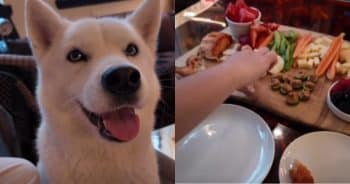
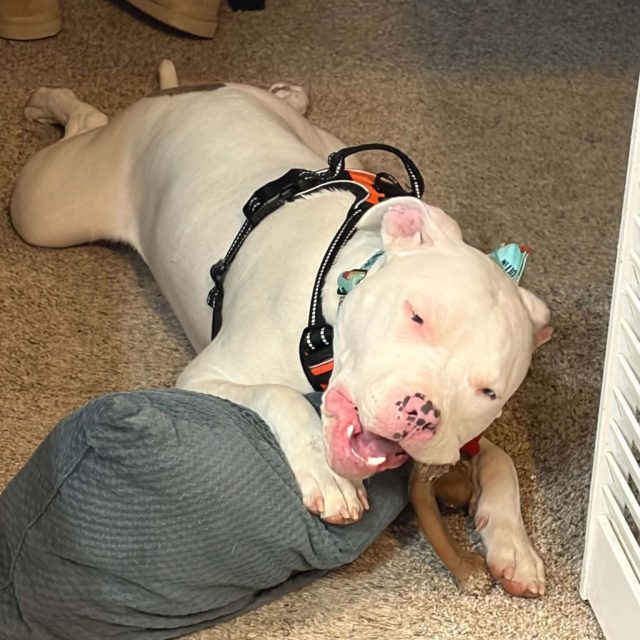
Another family that was not even looking for a dog heard about Orion through Molly and Chris, who were close friends. After following his updates, they arranged a barbecue and brought their own dog, Granger. Seeing the two dogs get along sealed the decision. By mid-May, Orion officially became Dozer, a name his family says suits him because he barrels into his humans for cuddles like a little bulldozer.
A bond built on attention
Dozer's deafness creates unique challenges, especially since he cannot hear his name when he wanders. But it has also deepened his bond with his family, who note that he constantly watches their faces to read their reactions. Eager to please and highly food-motivated, he quickly picked up where his foster training left off, and now performs the same tricks as Granger, who has become the perfect big brother. Visual training like this is common advice for adopters of deaf dogs, who rely on hand signals, vibration and eye contact rather than spoken commands.
For Molly, the hard goodbye was outweighed by the reminder that dogs like Dozer might never find their families without fosters. She and Chris have already welcomed another foster dog, continuing the chain that gave Dozer his home. For more uplifting animal stories and adoption coverage, browse our wider latest news.
Frequently asked questions
How did Dozer get his name?
Originally named Orion in rescue, he was renamed Dozer by his adoptive family because he barrels into his people for cuddles like a little bulldozer.
Can a deaf dog still learn commands?
Yes. Dozer learned hand signals and tricks during four months of foster care, showing that deaf dogs can be highly trainable with visual cues and consistent attention.