The best soft dog treats do more than reward good behavior — they make training faster, help dogs with sensitive teeth eat comfortably, and give puppies and seniors alike a snack they can actually chew. With shelves full of soft-baked, chewy, and grain-free options, picking the right one comes down to a handful of details that matter more than flashy packaging.
What Makes the Best Soft Dog Treats Stand Out
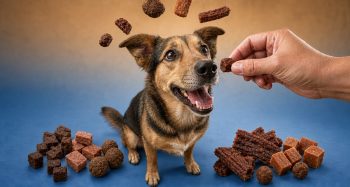
Unlike hard biscuits, soft dog treats are baked or dried to a moist, pliable texture that's easier on a dog's jaw and teeth. That makes them a natural fit for puppies still developing their bite, senior dogs with worn or missing teeth, and any dog recovering from dental work. Their quick, mess-free bite also makes them ideal for training, since a dog can eat one in a second or two and stay focused on the next command.
Ingredients and Nutrition to Check First
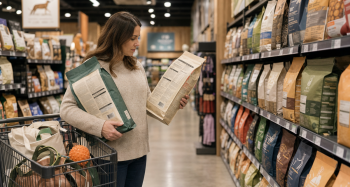
Before anything else, read the ingredient list. Treats built around a single named protein — chicken, beef, salmon, or lamb — tend to be more digestible and less likely to trigger food sensitivities than those padded with fillers. Look for options free of corn, wheat, soy, artificial colors, and artificial preservatives, and favor brands that rely on natural preservatives like vitamin E (tocopherols) or vitamin C (ascorbic acid) instead.
- Protein source: a named meat listed first, not a generic "meat meal."
- Calorie count per piece: especially important for treats used often in training.
- Allergen list: free of corn, wheat, and soy for dogs with sensitivities.
- Preservatives: natural options like tocopherols instead of artificial additives.
Calorie count matters just as much as ingredients, especially for dogs prone to weight gain. Treats should stay a small share of a dog's daily calories — most veterinary guidance caps treats at around 10% of total intake — so a soft treat used dozens of times a day for training should be noticeably lower in calories than an occasional snack.
Matching the Treat to the Dog
Purpose changes what to buy. Training treats work best when they're small, low-calorie, and fast to chew, since they're handed out frequently during a session. Occasional snacks can be larger and richer. Puppies typically need smaller, softer pieces sized for their mouths, while dogs with sensitive stomachs or diagnosed allergies do better with limited-ingredient, grain-free formulas that skip common triggers like soy and gluten.
Several widely sold options illustrate these different niches. Soft-baked treats made with real chicken and minimal ingredients are common training picks because of their low per-piece calorie count. Grain-free formulas built around upcycled produce or a single novel protein are aimed at dogs with sensitive stomachs, while treats fortified with DHA are marketed specifically for puppies' brain development. Reading the label against your dog's specific needs matters more than the brand name on the bag.
Freshness, Storage, and Shelf Life
Because soft treats hold more moisture than hard biscuits, they typically have a shorter shelf life. Check the expiration date before buying, reseal bags tightly after each use, and refrigerate homemade treats — pumpkin, peanut butter, or sweet-potato-based recipes typically need to be used within about a week unless frozen. Store-bought soft treats made with natural preservatives will usually list a "best by" date well past a year, but the higher moisture content means they should still be kept cool and dry.
Soft Dog Treats: Frequently Asked Questions
Why choose soft treats over hard ones?
Soft treats are gentler on puppies still teething, seniors with dental issues, and dogs recovering from oral surgery. Their quick, easy bite also makes them effective for training, since a dog can eat one and refocus almost instantly.
Do soft treats expire faster than hard treats?
Generally, yes. Higher moisture content shortens shelf life compared with dry biscuits, so checking the expiration date and sealing the bag after each use helps preserve freshness.
Are grain-free soft treats necessary for every dog?
Not for every dog — only those with diagnosed grain sensitivities typically need to avoid grain entirely. For dogs without allergies, whole grains aren't inherently a problem; the priority should still be a named protein source and minimal fillers.
Choosing wisely pays off well beyond the moment of the treat itself. A soft treat built on real protein, sensible calories, and few additives rewards good behavior without working against a dog's long-term health. For more buying guides and product breakdowns, check our reviews section, and browse our latest lifestyle coverage for more pet-related stories.