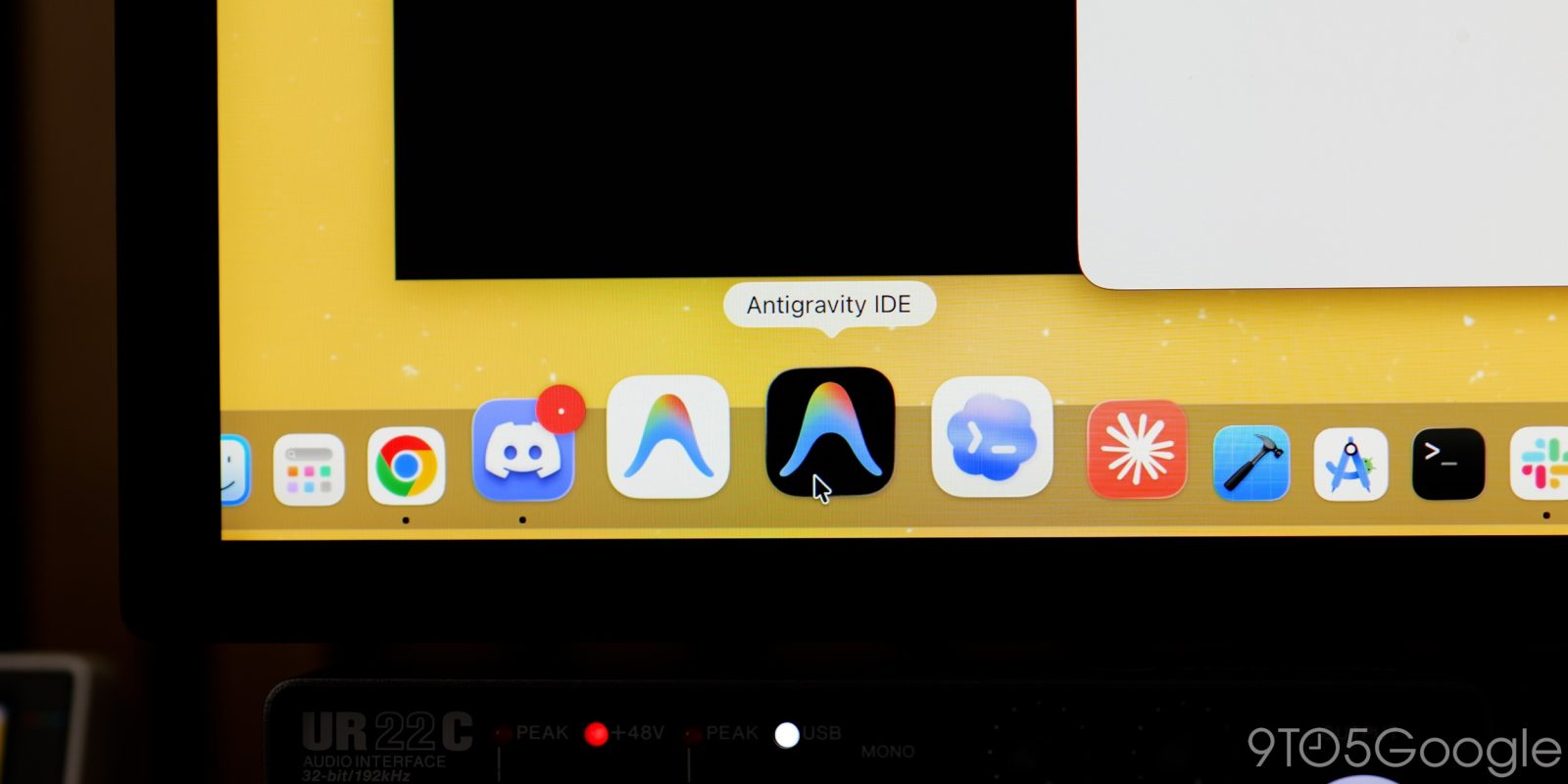
Vibe coding with AI tools like Antigravity and Codex can turn a lapsed programmer into a daily user, automating the repetitive tasks that eat into a workday, provided you keep the projects small and personal. That is the verdict from a self-described "lazy" Computer Science graduate who avoided programming for a decade before these AI coding tools changed his mind. His experience is a useful, grounded look at where vibe coding genuinely helps and where it quietly creates risk.

From grind to delegation
The author admits he let his programming skills fade after university because he found implementation a grind. He enjoyed generating ideas far more than writing the code to realize them. A colleague's offhand suggestion, "Why don't you try using Codex to build that for you?", flipped that thinking entirely.
He frames AI coding as delegation to a junior developer: powerful, but only as good as the clear, structured instructions you give it. A dedicated interface that helps plan an implementation before letting the AI loose felt far more usable than the chat-style tools he had tried before. The payoff has been a string of custom tools built for chores that used to drain his time, a workflow shift echoed across the wider AI tools space.
Where vibe coding actually pays off
The biggest wins, he found, came from automating small, repeated chores rather than shipping polished products. Tasks that are trivial once but tedious in bulk are the sweet spot:
- Watermarking images in batches
- Compressing and converting files
- Adjusting colors in Photoshop
- Making repetitive After Effects tweaks
Building a bespoke tool for these, he argues, beats paying for a generic plugin that can cost hundreds of dollars. Half a year into the experiment, he says he has reclaimed real time and streamlined processes he could never quite optimize before. The point is not to replace developers but to let a non-specialist scratch their own automation itch quickly and cheaply.
The case for keeping vibe-coded apps local
The enthusiasm comes with a firm caveat. He agrees with the developers who warn against publishing vibe-coded apps unless you genuinely understand how they work. The familiar trap is that you can reach 80 to 90 percent of a project quickly, then spend far longer wrestling with the final 10 percent, which is usually the hardest and most important part.
Security is the bigger reason he keeps everything local. Vibe-coded apps can spiral out of control without strict guardrails and clear direction, and a non-expert may have no idea what vulnerabilities they are exposing. As he puts it, spaghetti code begets spaghetti code, a manageable nuisance for a personal or hyper-local tool but a serious liability at any real scale. For more on the tradeoffs of building software this way, see our tech analysis.
Why it matters and what comes next
The story captures a genuine shift in how non-developers relate to software. AI coding tools are lowering the barrier to building, which is empowering, but they also blur the line between a working tool and a secure one. The author's framing, delegate like you would to a junior, plan before you build, and keep it local, is a sensible rulebook for anyone tempted to dive in.
With a foldable Google book expected later this year, he suggests vibe-coded apps could help fill an "app gap," making now a reasonable time to experiment with Antigravity, Codex or Claude Code, carefully. The wider lesson is that vibe coding is best treated as a productivity multiplier for personal workflows, not a shortcut to shipping production software you do not fully understand.
Frequently asked questions
What is vibe coding?
Vibe coding is using AI tools to generate software from natural-language instructions, effectively delegating the implementation. Tools like Antigravity, Codex and Claude Code let users describe what they want and let the AI write the code.
Is it safe to publish vibe-coded apps?
The author cautions against it unless you fully understand how the app works. Vibe-coded apps can hide security vulnerabilities and unmaintainable "spaghetti code," which is why he keeps his own projects local and personal.
What is vibe coding best used for?
Automating small, repetitive chores, such as batch-watermarking images, converting files or repetitive Photoshop and After Effects edits, where a custom tool beats paying for a generic plugin.