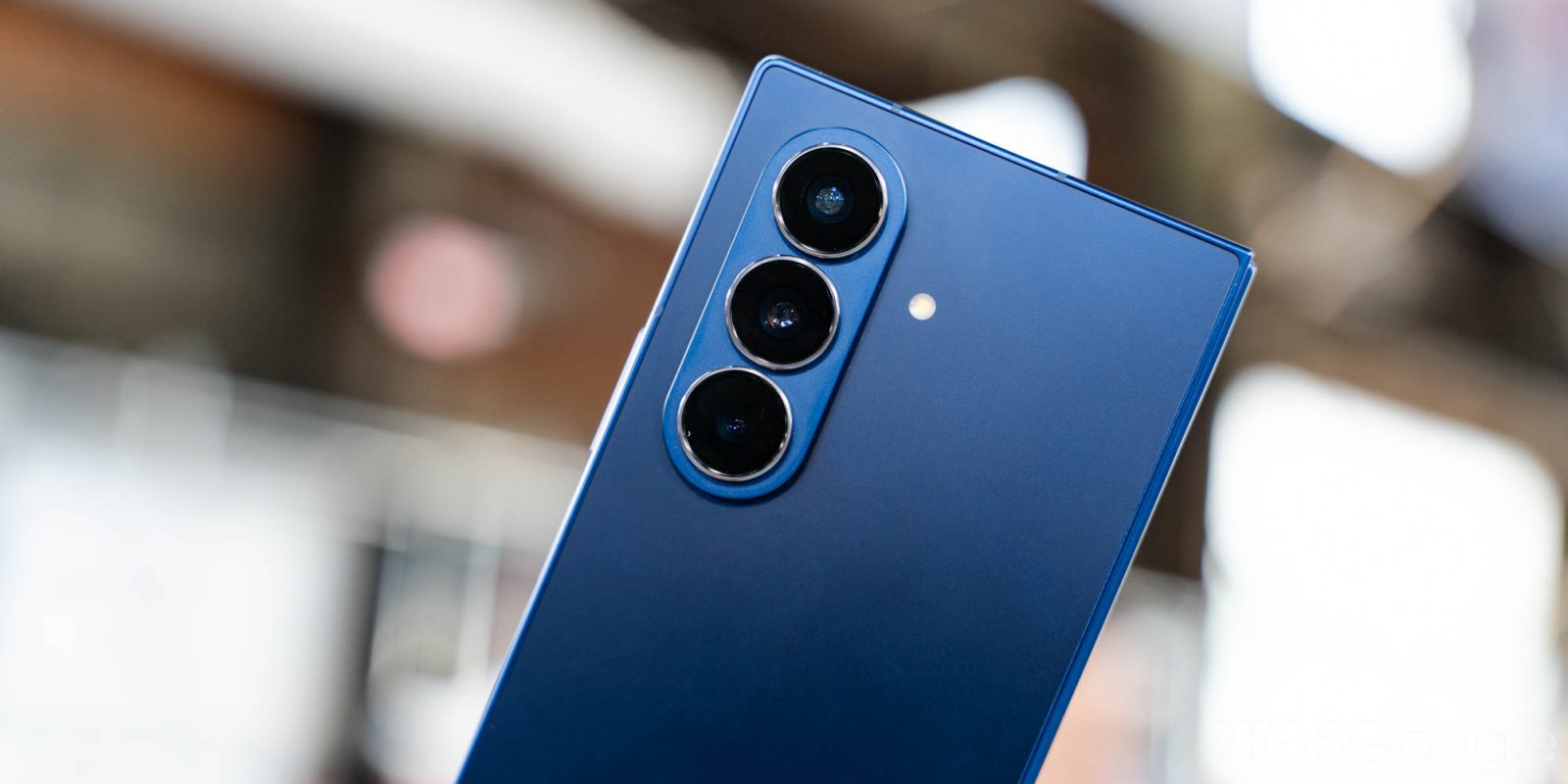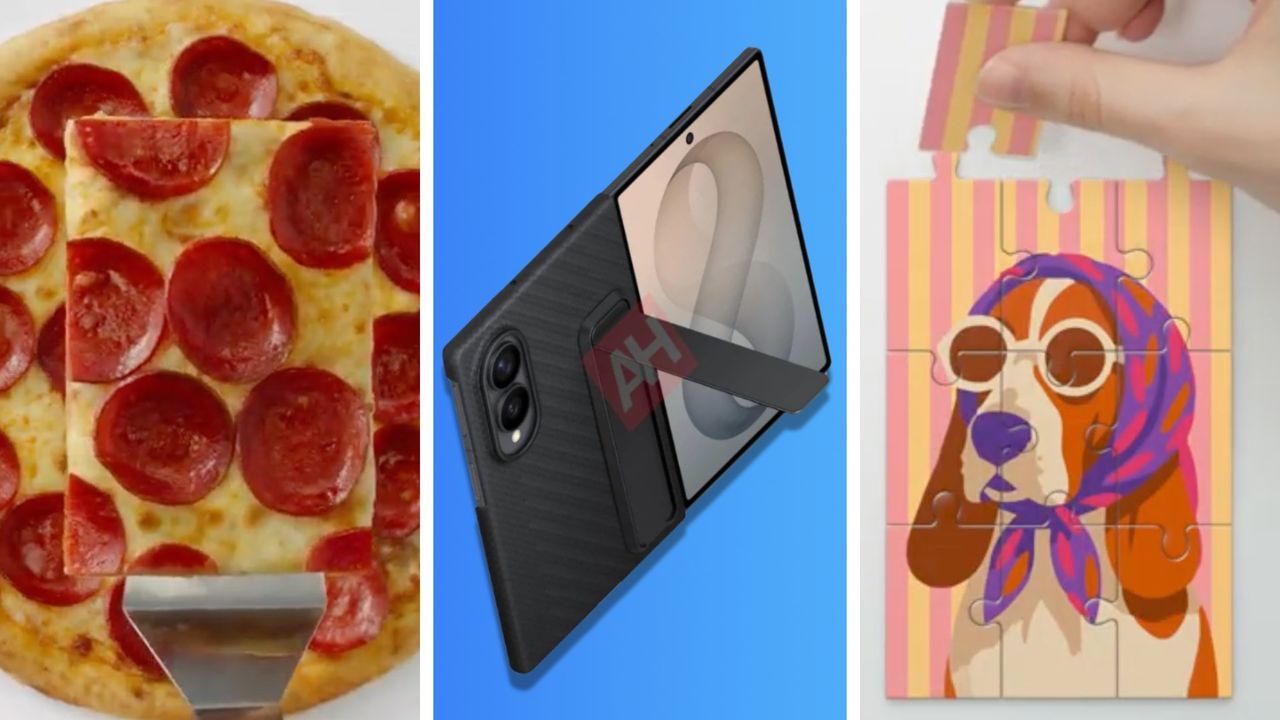
Samsung wiped its Instagram account clean this week to tease the Galaxy Z Fold 8, borrowing the kind of blank-slate marketing stunt Taylor Swift has used to launch albums. The cryptic videos that followed reveal almost nothing in words, but the shapes on screen point strongly toward a wider, shorter foldable than Samsung has ever shipped before.

What the wiped Instagram feed is hiding
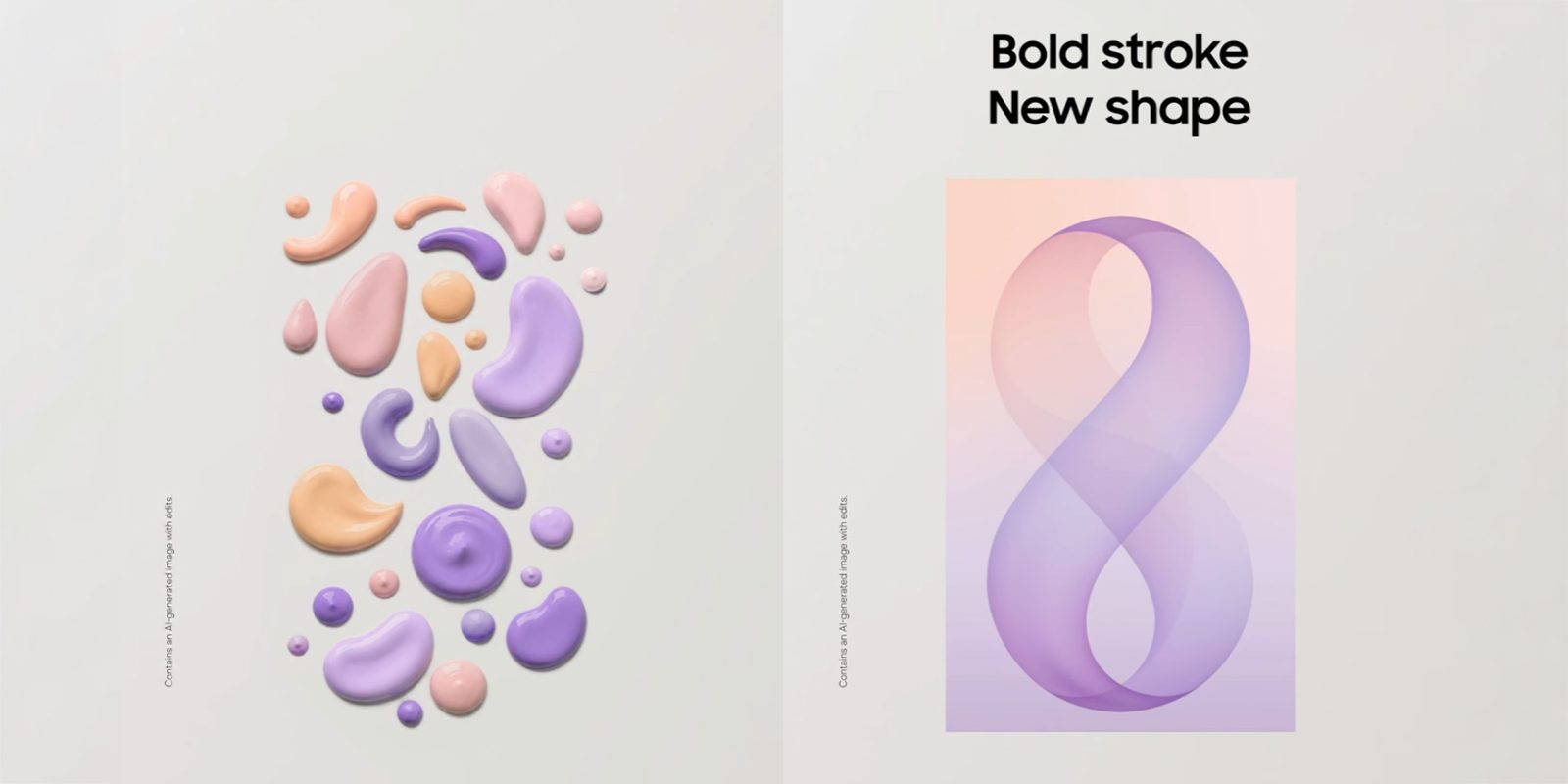
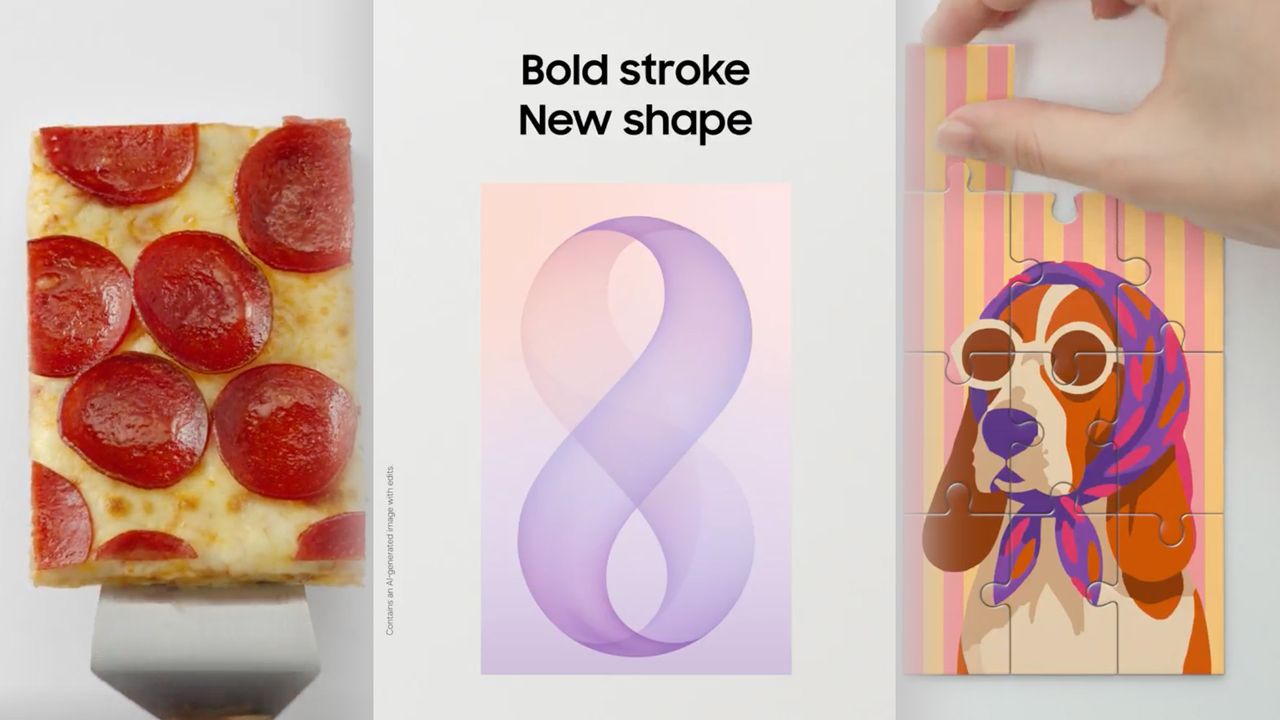
Rather than posting a straightforward announcement, Samsung deleted its existing Instagram history and began rolling out short videos built around recurring shapes and patterns. In one clip, someone trims the top off a rectangular photo. In another, a pizza cutter carves a wide rectangular slice out of a round pie. A third shows the top row removed from a small puzzle, alongside text reading \"feels just right.\"
Every version of the trick lands on the same shortened, widened shape, a strong visual match for the passport-sized Galaxy Z Fold 8 Wide that has circulated in leaks for months. Samsung hasn't named the device or confirmed a launch date, but the pattern is consistent enough that the intended read isn't exactly subtle.
Why a shape-first tease makes marketers nervous
Longtime tech marketing watchers point out that campaigns built purely around a new form factor, rather than concrete features, tend to signal one thing: the story being sold is about design, not necessarily function. That's a familiar playbook when a product's headline feature is its shape rather than a new chip, camera, or battery improvement, and it puts extra pressure on Samsung's software team to make the redesign feel deliberate rather than gimmicky once real hands-on impressions start rolling in.
The concern is grounded in real precedent. Passport-style foldables that prioritize a wider, shorter unfolded screen have run into consistent usability complaints elsewhere in the industry. Testing of Huawei's similarly proportioned Pura X Max, for instance, turned up problems with basic ergonomics: icon and keyboard placement became awkward once the phone opened flat, users couldn't comfortably reach the center of the screen with their thumbs, and the on-screen QWERTY keyboard ate up roughly 60% of the display, a serious knock against productivity, which is often the entire pitch for a bigger unfolded screen.
What Samsung needs to prove at launch
None of that guarantees the Galaxy Z Fold 8 Wide will repeat those same problems. Samsung has more resources to fine-tune software for a new aspect ratio than most rivals, and its One UI foldable experience has matured significantly since the original Z Fold. But the teaser campaign itself doesn't address any of it, it sells a silhouette, not a feature set.
For readers following the mobile category closely, the real test will come once Samsung actually unveils the phone and lets reviewers spend time with the software. A wider screen is only an upgrade if Samsung also rebuilds the keyboard, app layouts, and multitasking gestures around it, not just the hardware shell.
The bigger foldable picture
Foldables remain one of the few smartphone categories still generating genuine excitement, and Samsung's teaser strategy shows the company is aware of that appetite. Until Samsung's own device lands in reviewers' hands, following our phone reviews coverage is the best way to see how similarly proportioned foldables actually perform in daily use. Whether this specific redesign turns out to be a meaningful step forward, or a form-over-function misstep, will depend entirely on details Samsung has yet to share.
Quick FAQ
What is the Galaxy Z Fold 8 Wide?
It's the rumored name for a redesigned Galaxy Z Fold 8 with a shorter, wider unfolded screen than previous Z Fold models, based on leaked renders and Samsung's own teaser imagery.
Why are people skeptical of the teaser campaign?
Because it teases a new shape without confirming new features, and similarly proportioned foldables from other brands have struggled with keyboard and thumb-reach ergonomics.