Margaret Atwood says the core problem with AI is simple: "garbage in, garbage out." Speaking at the Babell Literary and Cultural Festival in Porto, Portugal, the author of The Handmaid's Tale and The Blind Assassin offered a blunt verdict on generative chatbots, arguing that any language model is only as trustworthy as the material it was trained on. Her critique adds a heavyweight literary voice to the debate over AI reliability.

One test, one wrong answer
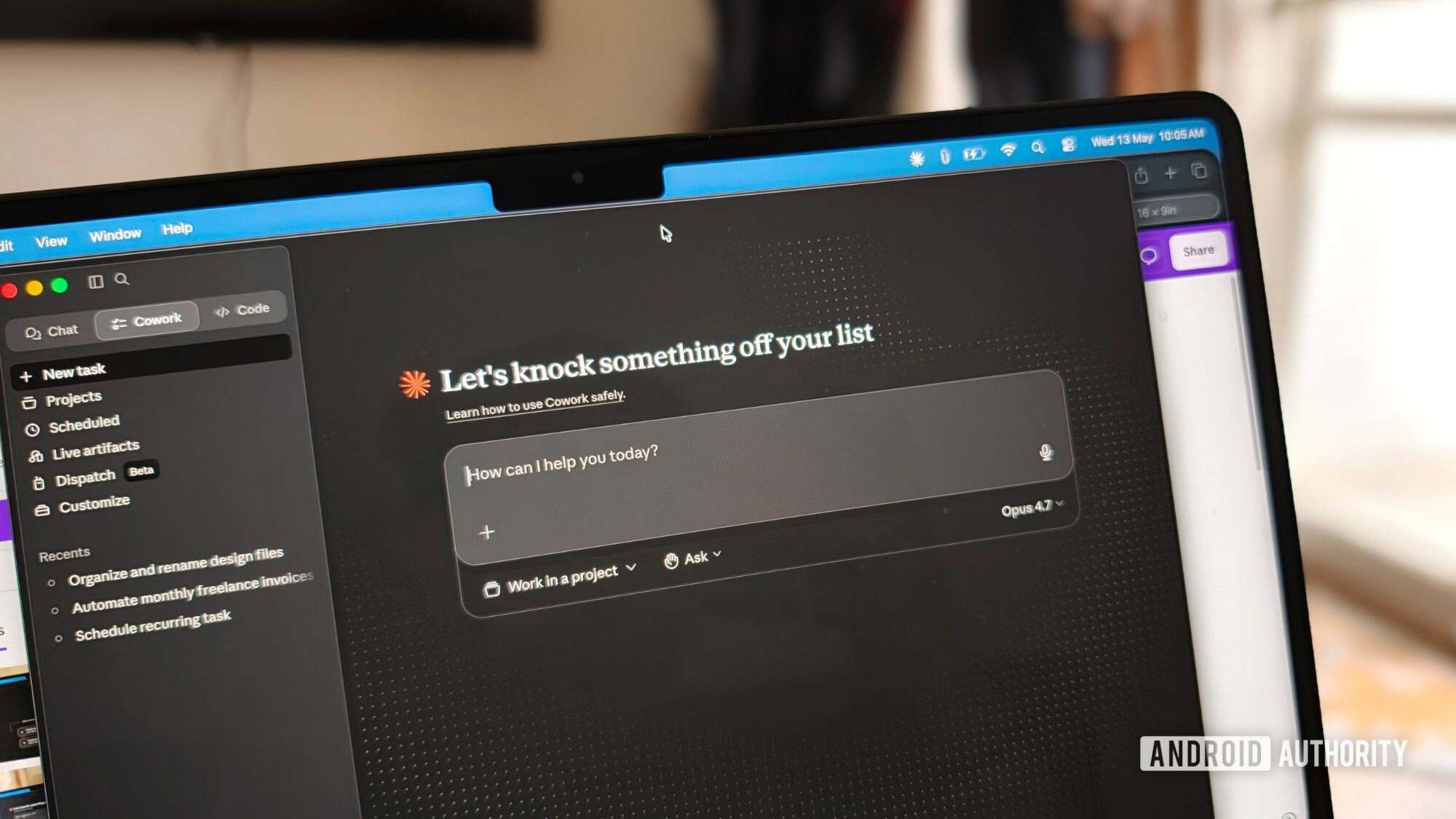
According to Deadline's recap of the festival, Atwood said she had used a chatbot exactly once, Anthropic's Claude, and came away unimpressed. She asked about the British detective series Father Brown, and the response missed the mark.
"Claude gave me the wrong answer, or it lied. Of course, it didn't know it was lying because it's not a human being; it's a large language model... It had skimmed and sampled a lot of television reviews, but they never give away the ending in online criticism, so it was misled by the things it had read about the show."
The example captures a familiar weakness of generative AI: when the available source text is incomplete or skewed, the output inherits those gaps. For more on how these systems work and where they stumble, see our ongoing AI coverage.
A warning about cutting corners
Atwood was equally pointed about people who lean on AI to do their thinking for them, calling some "opportunists" chasing the easiest shortcut.
"Human beings are not robots, but they are opportunists, so if there's an easy way to cheat and it's hard to detect, people will do it... But the thing about AI is that it's garbage in, garbage out. Even people who use it for business reasons have to check it because it makes mistakes."
Her remarks land amid a growing chorus urging users to verify AI output rather than trust it blindly, especially when the underlying data may be scraped, outdated, or simply wrong. Coming from a novelist whose work hinges on factual precision and narrative control, the message carries extra weight.
Why the criticism resonates
Atwood's complaint maps cleanly onto a well-documented limit of large language models. These systems predict plausible text from patterns in their training corpus, so when that corpus is thin, contradictory, or deliberately vague, the model can assert something false with total confidence. This failure mode, often called hallucination, is exactly what tripped up her Father Brown query: online reviews intentionally withhold spoilers, leaving the model without the ending she wanted.
For a working writer the stakes are not abstract. Authors and researchers who lean on a chatbot for factual recall can absorb those errors silently, particularly when the output reads fluently and sounds authoritative. That polished tone is part of the danger, because confidence is not the same as accuracy. It is precisely why Atwood stresses that even business users "have to check it."
What it means for AI users
The broader takeaway is not a wholesale rejection of the technology, but a call to treat its answers as a draft that still needs human verification. Data quality, source reliability, and fact-checking sit at the heart of responsible AI use, and the more high-profile figures who say so, the more the conversation shifts from hype toward accountability. Follow the debate in our latest tech news.
Frequently asked questions
What does 'garbage in, garbage out' mean for AI?
It means a model's answers can only be as good as its training data. If the source material is wrong, incomplete, or biased, the AI can reproduce those flaws while sounding confident and authoritative.
Why did the chatbot get the Father Brown answer wrong?
Atwood said online reviews of the show deliberately avoid spoilers, so the model never learned the ending it was asked about. With no reliable source text, it filled the gap with a plausible but incorrect response.
Should I trust AI chatbots for facts?
Treat them as a starting point, not a final source. Verify important claims against authoritative references, a practice Atwood argues even professional users must follow.