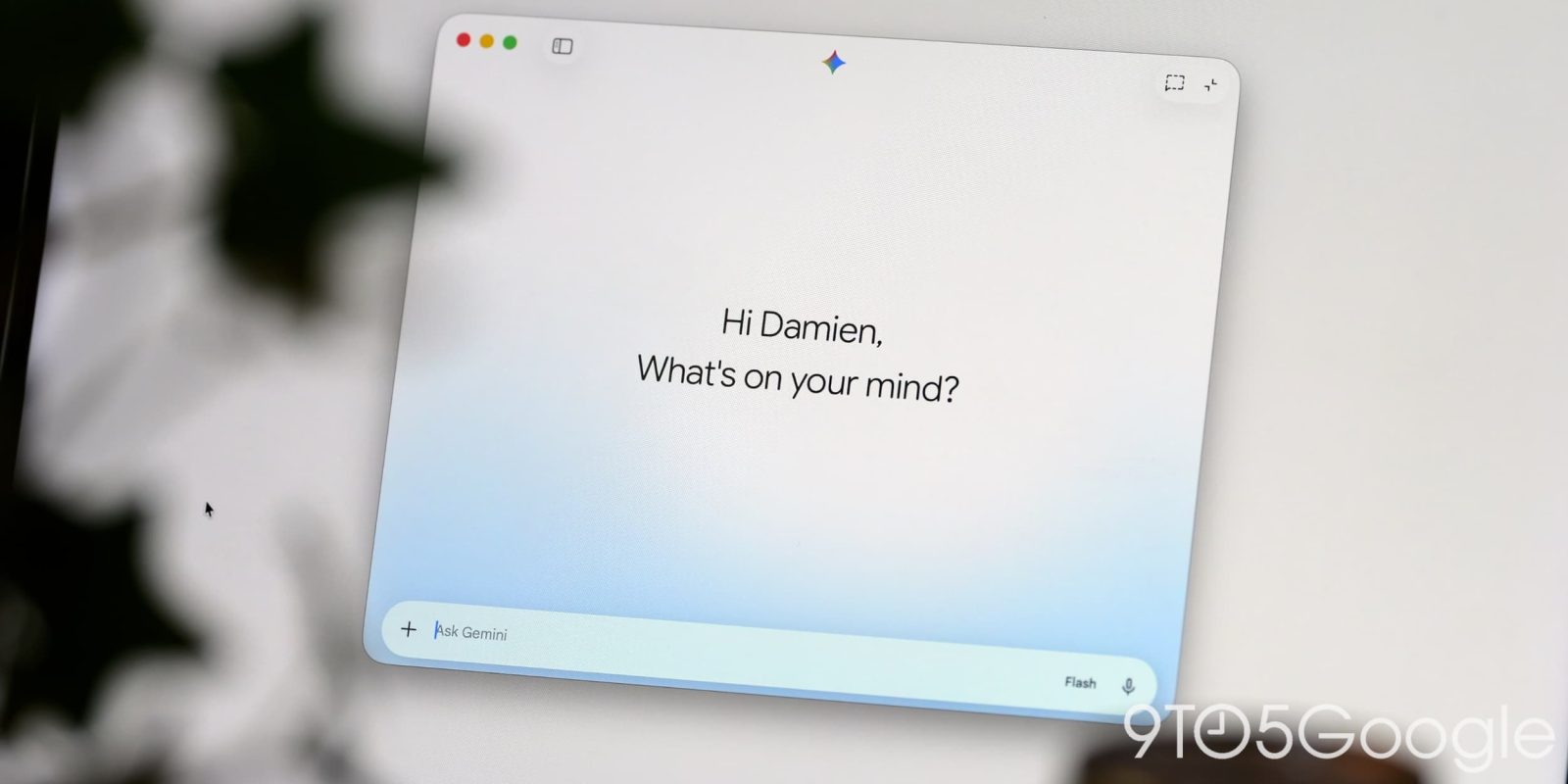
Google's search box redesign is the most significant change to its iconic search field in more than 25 years, turning a simple keyword input into an AI-driven, multimodal entry point. Announced at the company's annual I/O developer conference, the new box accepts text, images, PDFs, videos and even content dragged in from Chrome tabs, and it merges AI Overviews with AI Mode into a single flow.
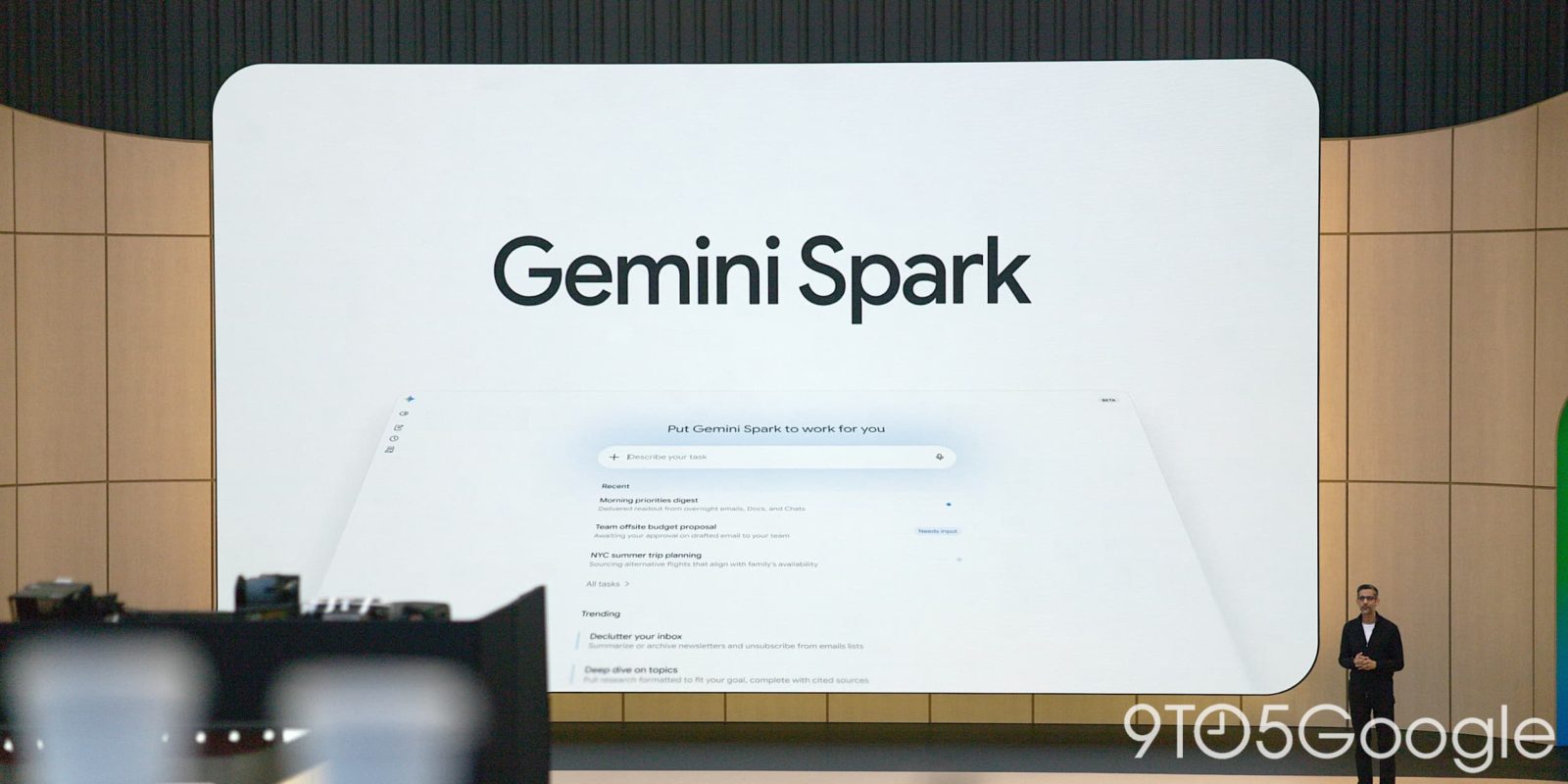
Liz Reid, Google's vice president and head of Search, described it as "the biggest upgrade to our iconic search box since its debut over 25 years ago." The redesign arrived alongside new Gemini models, a personal AI agent called Spark and an intelligent shopping cart — but reworking the search box itself may prove the most consequential move.
What's new in the search box
The field now expands dynamically to fit longer, conversational queries, encouraging users to spell out complex questions instead of compressing them into two or three words. Several capabilities that previously lived inside AI Mode now sit at the main entry point:
- Direct upload of images, PDFs, files and videos
- Drag-and-drop input from open Chrome tabs
- An AI-powered suggestion system that goes "beyond autocomplete" to help phrase detailed questions
Google says the new box is rolling out immediately in every country and language where AI Mode is available.
AI Overviews and AI Mode become one experience
Behind the interface, Google is unifying AI Overviews — the summary panels atop search results — with AI Mode, its conversational search experience. Users can type a question, get an AI Overview alongside traditional results, and continue into a back-and-forth conversation without switching pages. Reid said the goal was that "for most users, they don't have to think about where to go."
The usage numbers help explain the urgency. AI Mode has passed one billion monthly users in its first year and its queries have doubled every quarter since launch, while AI Overviews now reach more than 2.5 billion monthly users. Overall search query volume hit an all-time high last quarter.
Gemini 3.5 Flash and generative UI
The redesigned experience runs on Gemini 3.5 Flash, Google's newest model, which the company says outperforms its previous Gemini 3.1 Pro on nearly all benchmarks while running four times faster in output tokens per second than comparable frontier models. That speed is essential for a product serving billions of queries a day.
The box also unlocks "generative UI," letting search build custom widgets, interactive visualizations and mini apps in real time — for example, an interactive visual explaining how black holes affect space-time. Google is adding configurable "information agents" that monitor the web around the clock and notify users when set conditions are met, launching first for Google AI Pro and Ultra subscribers this summer.
What it means for publishers and SEO
The shift from keywords to conversations reshapes search engine optimization: keyword-density tactics matter less when AI parses natural-language intent, and authoritative content that answers nuanced questions gains value. For publishers, a more self-contained results page raises fresh questions about referral traffic. Google says its AI features still drive visits, but the redesign puts that claim under renewed scrutiny.
Sundar Pichai framed AI as additive, noting Google's surfaces now process over 3.2 quadrillion tokens per month and that the company expects roughly $180 to $190 billion in capital expenditures in 2026. "Search is the most used AI product in the world," he said. For more on the models and tools behind this shift, follow our ongoing AI news coverage.