An AI system will only become a reliable coworker once it can finish entire tasks inside a persistent work environment, rather than simply generating answers, according to a new survey paper from Tencent's Youtu Lab and several Chinese universities. The authors argue the missing link is reusable "skills" paired with a durable workspace that gives an AI agent state, memory and consequences.

The paper maps the shift "from chatbot to digital colleague" along two dimensions: the cognitive core and tool-assisted task execution. The central question, the researchers say, is no longer how a model writes a better answer, but how it reliably turns intent into finished work. For more on this fast-moving field, see our AI news coverage.
From fast answers to slow reasoning
Early chatbots generated text in a single pass, predicting the next likely token without checking their own steps. The thinking-LLM era, kicked off by OpenAI's o1 and DeepSeek-R1, instead pours more compute into the moment of answering, producing long chains of thought and learning through reinforcement to self-correct.
The team frames this as a move from fast, intuitive thinking to slow, deliberate reasoning. That shift matters because finishing a real task, debugging code or booking travel, requires planning, backtracking and verification rather than a single confident guess. A reasoning model that can pause, test an idea and revise is far closer to a useful colleague than one that simply produces fluent prose.
Why workspaces plus skills matter
First-generation agents could already call APIs, write code and browse the web, but they stayed fragile in practice. The researchers identify four recurring bottlenecks:
- Agents perceived their environment only in fragments, missing the full context.
- Tool calls left no lasting state, so progress evaporated between steps.
- Unexpected behavior broke them, with no graceful recovery.
- They rarely finished tasks end to end.
The fix, the authors argue, is combining a persistent workspace, which provides state, storage and real consequences, with skills that package operational know-how into reusable, testable bundles. Anthropic's Agent Skills already formalize this idea as folders containing a SKILL.md file with instructions, scripts and supporting resources, letting an agent reuse a proven procedure instead of improvising each time.
How skills and workspaces fit together
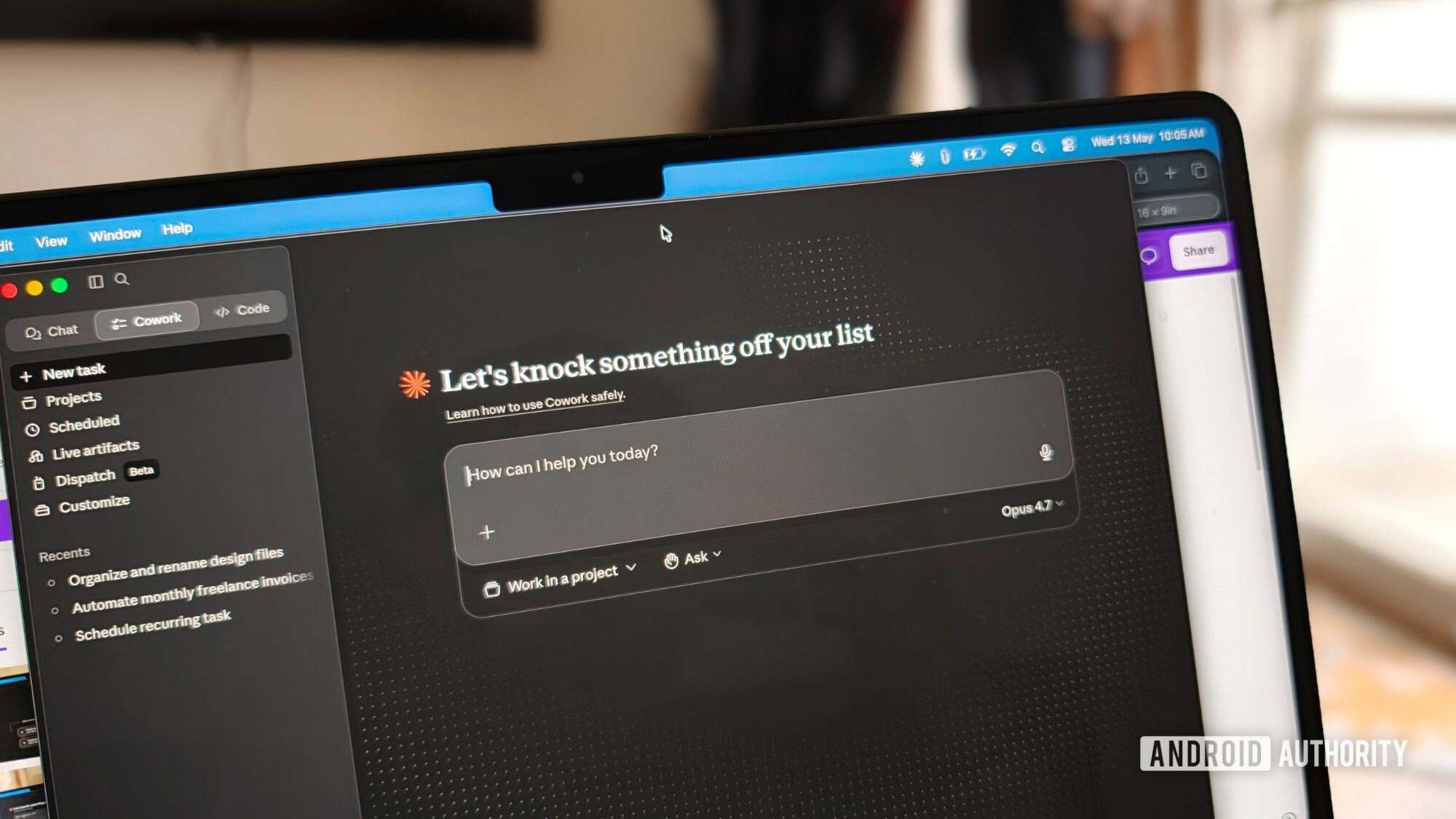
A workspace acts like a digital colleague's desk: files persist, actions leave a trace, and the environment can be inspected and corrected. Skills act like the colleague's training and playbooks, encoding how to perform a specific job reliably. Together they shift the focus from clever one-off responses to repeatable, auditable work.
The catch: governance and evaluation
The authors are careful to warn that the approach is not a complete solution. Skills can overfit to narrow cases or go stale as systems change, workspaces fill up with broken files, and persistent environments expand the security attack surface. Reliable deployment, they say, demands skill lifecycle management, workspace hygiene, sandboxing and rollback to recover from mistakes.
Evaluation has to change too. Success is measured not by plausible-sounding responses but by task closure, whether the system brings the target environment to a verifiable end state, tested against benchmarks like SWE-bench and WebArena. Notably, one cited evaluation found coding agents skipped a provided skill system 56 percent of the time, while always-present documentation hit 100 percent success, tilting the balance back toward the workspace and the way information is surfaced to the model.
Frequently asked questions
What does it mean for AI to be a coworker rather than a chatbot?
It means the system completes whole tasks, maintains state across steps and recovers from errors inside a persistent workspace, instead of only returning answers to one-off prompts.
What are AI skills?
Skills are reusable, testable bundles of instructions, scripts and resources that package how to perform a specific job, so an agent can apply a proven procedure repeatedly. Follow our technology coverage for more on where AI agents head next.