Boss design in video games isn't just about giving an enemy more health. According to Tomb Raider: Legacy of Atlantis designer Marcin Matuszczyk, a great boss fight is closer to a six-act structure, built from a quiet introduction all the way to a final, deliberate farewell.
Matuszczyk's six-part structure for boss design
Matuszczyk, principal gameplay designer on Tomb Raider: Legacy of Atlantis and a former developer on Outriders and Horizon Forbidden West, laid out his approach to boss battle design during a talk at this year's Digital Dragons conference. He broke the anatomy of a great boss fight into distinct phases, starting with The Introduction, where the designer reveals the creature and its arena, often through a cutscene or dialogue, before the player's fumbling first attempts to evade or block its attacks. At this stage, a boss often reads as little more than a bigger, tougher version of a regular enemy, reusing tactics the player has already learned earlier in the level.
From there comes The Escalation, where that ordinary enemy starts doing something extraordinary. "You can add new moves, hazards, weapons, even change the area layout, to make the boss more challenging as the player progresses," Matuszczyk said. He pointed to Genichiro from Sekiro, who strips off his armor mid-fight and gains the ability to throw lightning, daring the player to catch it and hurl it back. Boss movement, he argued, should fit and help define the space of the fight: smaller weak points draw players in close, while sweeping attacks push them back out, often within the same encounter.
The Midpoint Twist and reading a boss's tells
A more deliberate version of escalation is what Matuszczyk calls The Midpoint Twist: a mid-fight surprise designed to make the encounter memorable, whether the boss morphs into a new form, changes location, or alters the rules of combat outright. He cited Cuphead's Devil, who peels away his own skin to flee underground, as a strong example, and noted that some fights introduce minions at this point simply to break up the pacing.
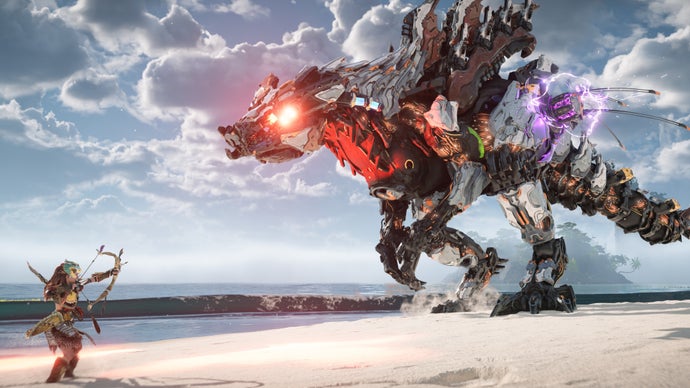
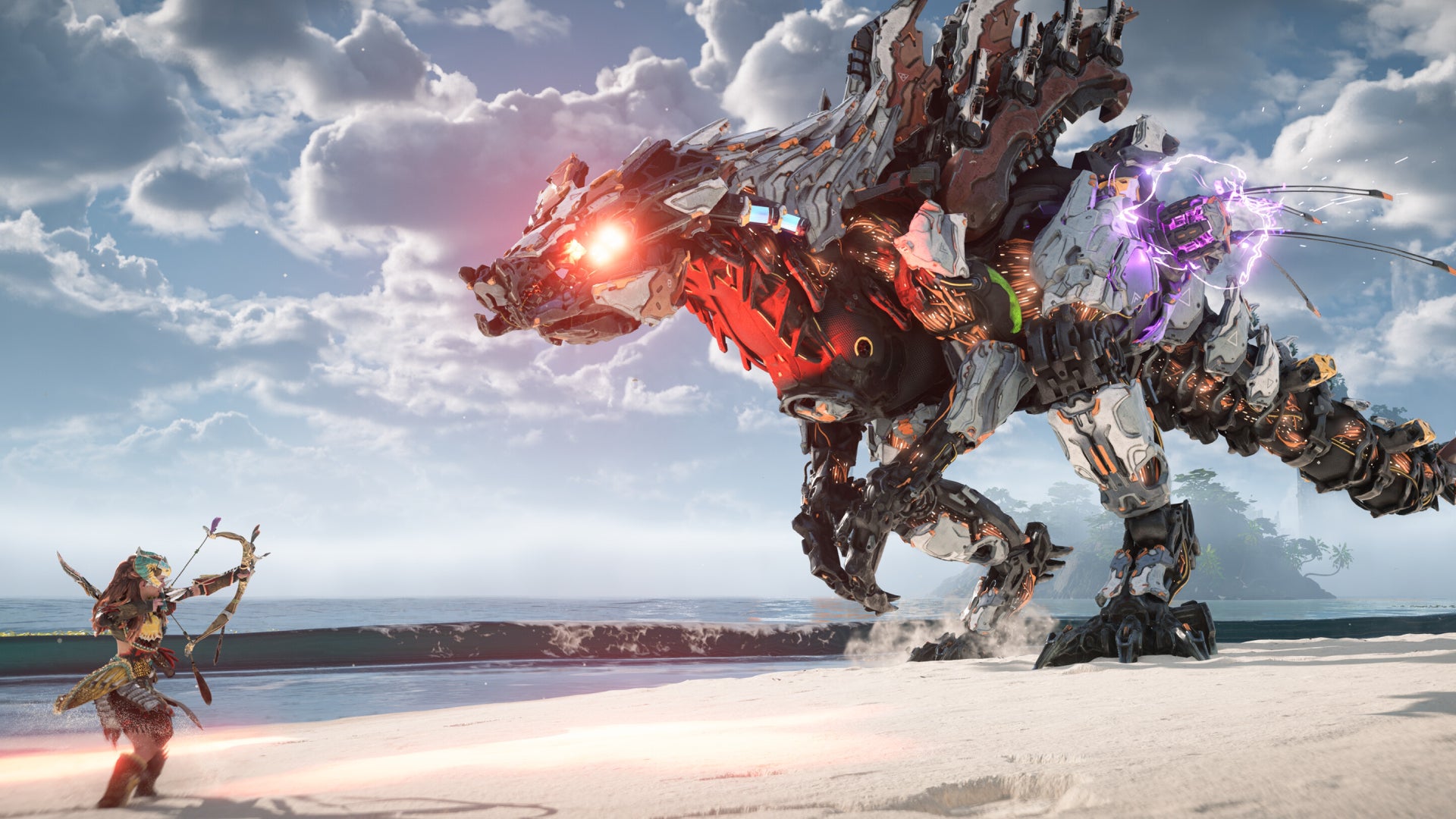
Running through all of it are what Matuszczyk calls The Tells. "Make your attacks clear with visual and audio cues," he advised, stressing that player losses should come from mistakes, not confusion, and that clean visuals should never hide a boss's intentions. Useful cues include cracked ground patches, sonic waves, or laser dots ahead of an attack. He's less keen on non-diegetic warnings like flashing exclamation marks, preferring bosses that feel "lifelike", a philosophy that shaped how his team drew on real animal movement when designing the robotic creatures in Horizon Forbidden West.
Teaching players through The Lesson and The Climax
Tells exist to serve The Lesson, the specific skill a designer wants the player to walk away having learned, whether that's shooting from horseback while chasing Ganondorf in Zelda or mastering pistol-counter timing against Father Gascoigne in Bloodborne. "Decide which player skills you want to challenge, and create attacks to test them, and tie these attacks to the boss theme," Matuszczyk said. He noted that designing tells gets harder in multiplayer fights, where a boss's attention has to be distributed across several players, whether by targeting whoever is closest or whoever is dealing the most damage. AI-controlled allies can even become part of that toolkit, the way Atreus warns Kratos of incoming attacks in 2018's God of War.
All of this builds toward The Climax, the fight's most intense stretch both mechanically and emotionally, where a boss may enter a berserker state and unload every move in its kit with shortened cooldowns.
Why The Resolution matters as much as the fight itself
Matuszczyk's final phase, The Resolution, is the part he says is easiest to overlook: tying the narrative back together once the last healthbar drains away. Sometimes that means confronting a boss who's someone the player already knows, like a family member torn by opposing ideals in Ghost of Tsushima. Even a boss that's just an oversized regular enemy, in his view, deserves some kind of send-off rather than simply vanishing.
Matuszczyk is currently applying these ideas to Tomb Raider: Legacy of Atlantis, which aims to combine the "spirit" of the original Core Design games with a modern, Unreal Engine-built rebuild, including reworked versions of classic boss fights like the game's dejankified T-Rex encounter shown at the end of its announcement trailer. For readers tracking how design talks like this one shape upcoming releases, similar breakdowns of genre mechanics and developer insight appear regularly in our gaming coverage, alongside broader industry news from events like Digital Dragons.
Frequently asked questions
What games does Marcin Matuszczyk use as boss design examples?
He references Sekiro's Genichiro fight, Cuphead's Devil boss, Zelda's Ganondorf horseback chase, Bloodborne's Father Gascoigne, God of War (2018), and Ghost of Tsushima.
What is Tomb Raider: Legacy of Atlantis?
It's an upcoming rebuild of the original Tomb Raider games, aiming to pair the original's spirit with modern Unreal Engine visuals and reworked boss encounters, with Marcin Matuszczyk as principal gameplay designer.