A hands-on Steam Machine teardown shows just how many components stand between you and the console-like PC's memory, with the writer describing an almost accidental full disassembly after simply trying to get a closer look at the RAM.
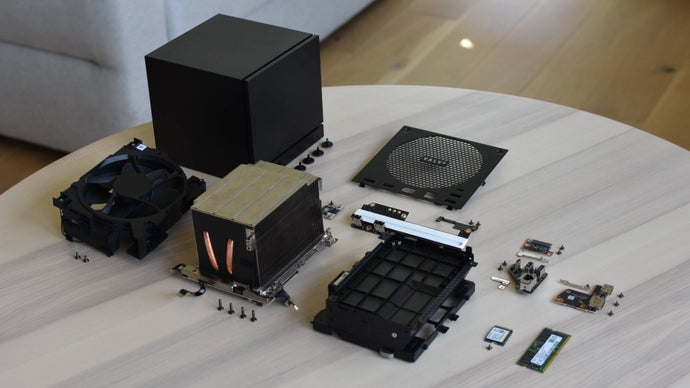
What the Steam Machine teardown found
What started as a quick peek at the Steam Machine's memory setup turned into a near-complete teardown, according to the hands-on account. The internal layout is described as heavily layered and "almost Russian Doll-like," with one component needing to come out before the next could be removed, and the next after that. By the time the process was finished, the machine's internals were spread across the desk in far more individual pieces than the writer had originally intended, or had attempted during the outlet's main review of the device.
Why the RAM sits behind so many layers
The structure of the teardown itself is the headline finding: reaching the RAM wasn't a matter of removing a single panel, but working through a chain of parts stacked on top of one another. That kind of layered design is often a byproduct of squeezing a full PC's worth of components into a small, console-shaped chassis. Every additional layer of shielding, cooling, or structural support makes the case slimmer and quieter, but it also makes simple upgrades or repairs slower and more involved than opening a typical desktop tower.
A second attempt at Valve's living-room PC concept
The name "Steam Machine" isn't new. Valve first tried to popularize compact, console-style PCs for the living room over a decade ago, partnering with third-party manufacturers before that original push largely fizzled out. This time, Valve has built the hardware itself rather than licensing the concept to partners, which makes independent teardowns like this one especially useful. It's one of the clearest ways for enthusiasts and reviewers to verify how "PC-like" the internals really are, beyond the marketing pitch of a simplified, console-style box.
What this means for repairability and upgrades
The exercise matters because the Steam Machine, whatever its console-like styling, is fundamentally still a PC, and PC owners have a long history of wanting to open up their hardware, whether to add memory, swap storage, or simply see what's inside. A design that requires a dozen-plus components to come out before you can reach the RAM raises real questions about how practical upgrades or repairs will be for average owners, compared with machines that expose memory slots behind a single access panel. It doesn't necessarily mean upgrades are impossible, but it does suggest they won't be quick or beginner-friendly.
This kind of scrutiny matters more for small-form-factor gaming hardware than it might for a laptop or phone, since PC gaming buyers have historically expected at least some ability to upgrade RAM or storage over a machine's lifespan. How manufacturers balance that expectation against the demands of a compact, quiet, console-style chassis is likely to keep coming up as more companies chase the same living-room PC format. Readers weighing the Steam Machine against other options can find more on the format in our gaming hardware coverage, and general teardown and repairability comparisons in our hardware reviews section.
FAQ
Is the Steam Machine easy to upgrade?
Based on this teardown, reaching internal components like the RAM requires removing a long chain of other parts first, suggesting upgrades won't be as simple as on a standard desktop PC.
Why does the RAM sit behind so many parts?
The layered, tightly packed design appears to be a tradeoff for fitting full PC components into a small, console-styled chassis rather than a full-size tower.
Is the Steam Machine a PC or a console?
It's built and marketed like a console but runs on standard PC hardware and software underneath, which is why enthusiasts are already testing how far it can be opened up and modified.