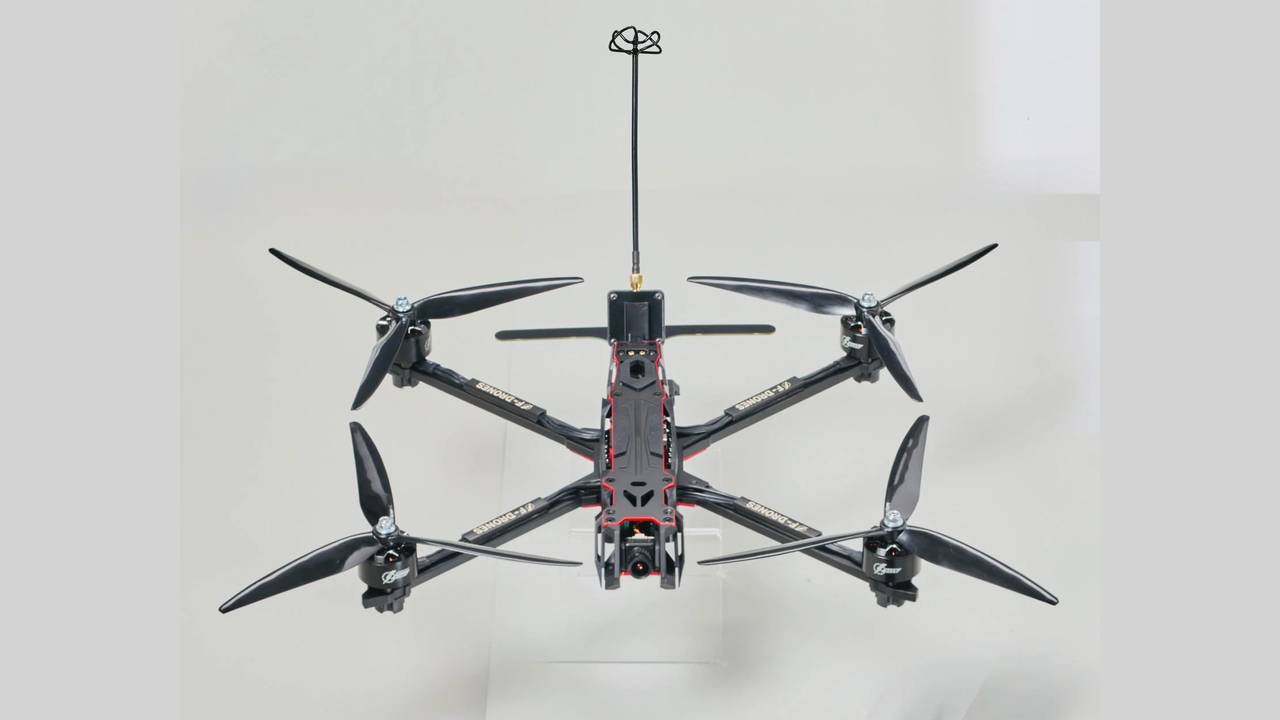
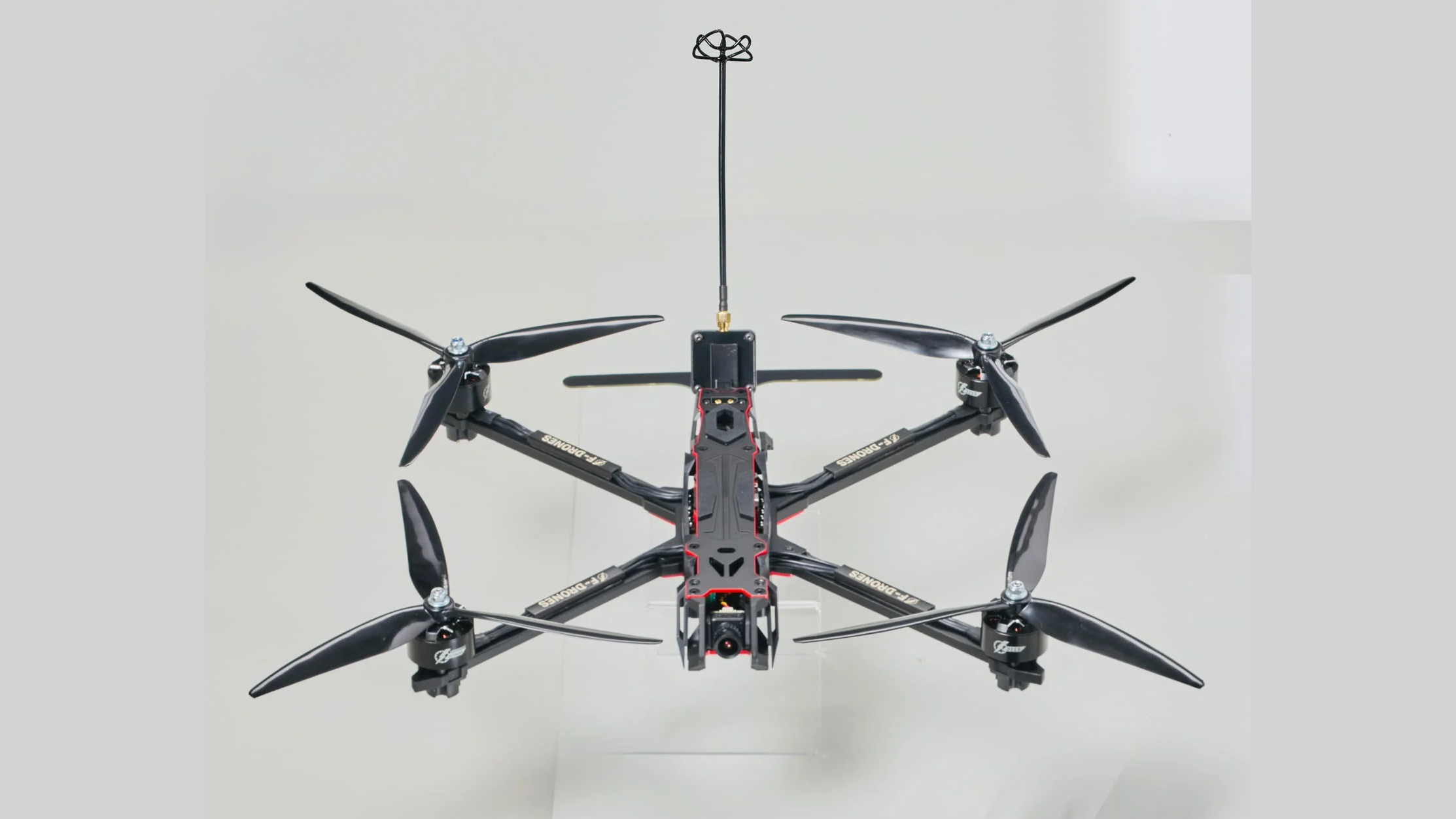
The United States has taken delivery of 2,000 Ukrainian F10 attack drones after manufacturer F-Drones won a Pentagon contract in the opening phase of the military's $1.1 billion Drone Dominance program. The shipment marks Ukraine's first official export of fully assembled, combat-ready drones — a notable step up from earlier deals that covered mainly components and technologies.
The delivery lands as the Pentagon pushes into the next stage of an initiative built to give American forces faster access to low-cost, combat-tested unmanned systems developed outside the traditional defense supply chain. For a program of this size, sourcing finished hardware from a foreign manufacturer is a significant shift.
Ukraine's first export permit for finished combat drones
Ukraine's State Service for Export Control issued the permit on July 1, 2026, clearing F-Drones to send a batch of F10 units across the border into US territory. According to a company representative, the permit took effect quickly, with the drones crossing soon after approval.
The approval is a milestone because previous Ukrainian export decisions typically involved individual parts or subsystems rather than complete, ready-to-fly drone systems shipped in bulk. Notably, F-Drones completed the process under the export-control mechanism already in place, before new government measures simplifying military exports under martial law had formally taken effect.
That process was not simple. It required a positive decision from the interdepartmental commission overseeing military-technical cooperation and export policy, with state-owned firm Spetstechnoexport accompanying the procedure from initial review through final sign-off. The shift suggests Ukrainian officials now see finished drone exports as both commercially valuable and useful for deepening ties with Washington.
How the F10 won its Pentagon contract
The American company UDD Tech Corp, which represents F-Drones products in the United States, entered the program's first competitive phase, known as Gauntlet I. Testing took place at Fort Benning in Georgia in February 2026 and pitted 25 competing drone systems from multiple manufacturers against one another.
The results put the F10 among the front-runners:
- The F10 finished sixth out of 25 competing systems.
- It secured a place among 11 total program winners.
- That result delivered a contract to supply 2,000 drones to the US Department of War.
- UDD Tech Corp also advanced into the program's next competitive phase.
Drone technology has become one of the most closely watched corners of defense, and coverage often sits at the crossroads of hardware reviews and the business of national security. This contract touches both.
Why the deal matters
The Drone Dominance initiative is designed to accelerate American access to inexpensive, battle-proven unmanned systems, and this agreement signals a willingness to look beyond established domestic contractors to get them. Those legacy suppliers have reportedly watched the program with some caution, given the scale of foreign competition it now allows. Buying combat-ready hardware abroad rather than building it in-house is a meaningful departure for a procurement system long dominated by established American contractors.
Whether this turns out to be a one-off contract or the start of a broader pattern is not yet clear from the information available publicly. Either way, it is a concrete example of how battlefield-tested Ukrainian technology is beginning to flow into the US defense pipeline. For more on the companies and contracts shaping the industry, follow our business coverage and the latest news.
Frequently asked questions
What is the F10 drone?
The F10 is an attack drone made by Ukrainian manufacturer F-Drones. It was tested against 24 other systems during the Pentagon's Gauntlet I evaluation and finished sixth, earning a contract for 2,000 units.
What is the Drone Dominance program?
It is a US initiative worth about $1.1 billion aimed at securing large numbers of low-cost, combat-tested unmanned systems, including hardware developed outside traditional American defense supply chains.