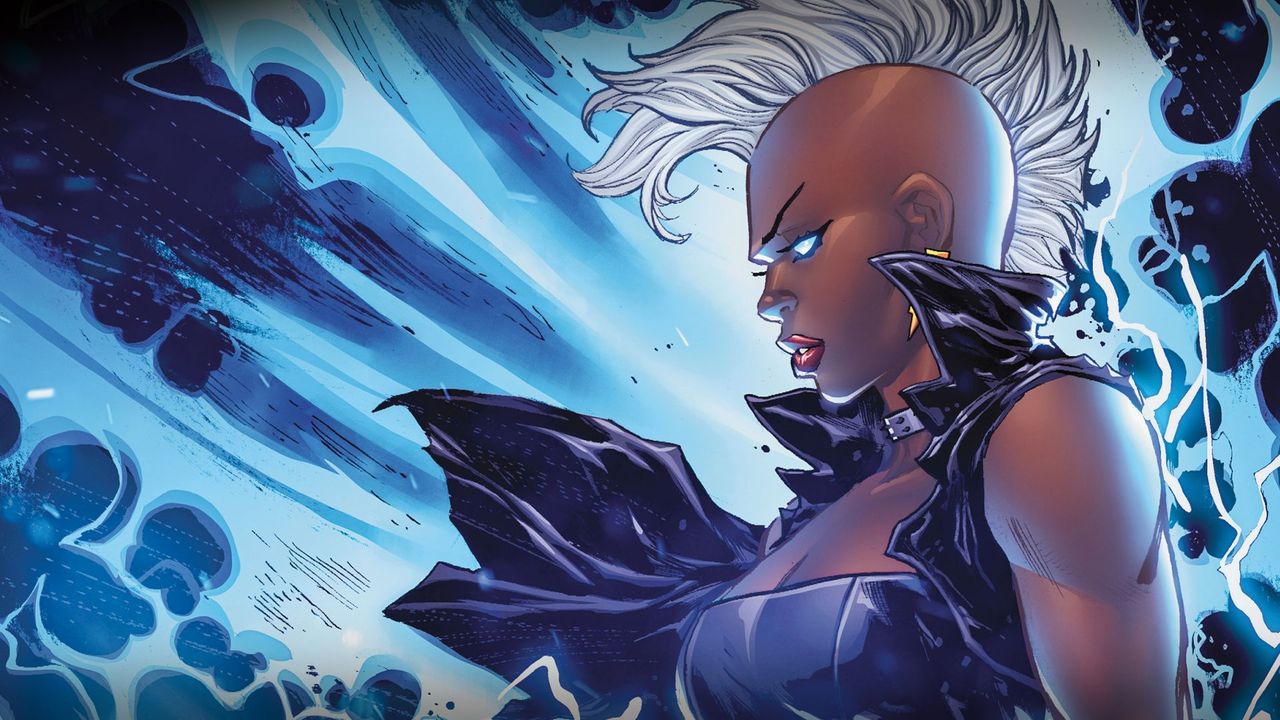
Magic: The Gathering's Marvel Super Heroes set is built to fix the biggest problems players had with its earlier Spider-Man cards, broadening a single-hero crossover into a sweeping tour of the Marvel universe. This time the lineup leans into a much wider cast, headlined by the Avengers and joined by the X-Men and the Fantastic Four, giving collectors and deck builders far more to chase.
A broader Marvel lineup for the crossover set
Where the earlier Spider-Man release drew criticism for feeling narrow, the Marvel Super Heroes set takes the opposite approach. Instead of building around one corner of the publisher's catalog, it spreads across several of Marvel's most recognizable teams. For players, that translates into more variety to draft, more iconic faces to collect, and a deeper pool of themes to build decks around.
Pulling in the Avengers, the X-Men, and the Fantastic Four also gives the set a stronger pop-culture hook. Casual crossover fans get a bench of household names, while committed players get the legendary creatures and team-based synergies that make a set worth opening pack after pack. A wider character pool typically supports more archetypes than a tight single-hero focus ever could.
This release continues Magic's Universes Beyond strategy, the line that brings outside entertainment properties onto the tabletop. If you enjoy card games and licensed crossovers like this, you can browse more in our gaming coverage.
What the Spider-Man feedback changed
The Spider-Man set landed as a proof of concept for putting a major superhero license into Magic, and it surfaced clear lessons. The most common complaint was scope: a roster anchored to one character limited the deck-building variety that Magic players expect from a full set. By opening the doors to multiple teams, the Marvel Super Heroes set directly answers that concern.
The shift matters because variety is the engine of a healthy Magic release. Draft environments rely on enough distinct cards and strategies to stay fresh across many games, and Commander players in particular hunt for splashy legendary creatures to lead new decks. A roster spanning the Avengers, X-Men, and Fantastic Four offers more of those build-around centerpieces than a single web-slinger could.
Why it matters for players and the wider hobby
Crossover sets serve two audiences at once. They pull newcomers toward Magic through characters they already love, and they hand longtime players fresh cards and combos to experiment with. By widening the cast and responding to earlier feedback, the Marvel Super Heroes set positions itself as a more complete and rounded entry than its predecessor.
It is also part of a larger trend. Universes Beyond has steadily reshaped how Magic reaches new players, bringing franchises from film, gaming, and comics onto cardboard and expanding the audience well past traditional fantasy fans. A high-profile Marvel tie-in keeps that momentum going and signals that publisher Wizards of the Coast intends to keep leaning into recognizable licenses.
For collectors, the practical takeaway is simple: a broader roster usually means more chase cards and more reasons to open product. For competitive and Commander players, it means a deeper toolbox. The set's success will hinge on whether the wider lineup delivers genuinely playable cards rather than just familiar art, but the direction addresses the loudest criticism head-on.
For more releases, set breakdowns, and roundups, see our latest news.
Marvel Super Heroes set: quick FAQ
Which characters are in the Marvel Super Heroes set?
The set widens beyond Spider-Man to feature the Avengers, the X-Men, and the Fantastic Four, giving players a much larger cast of recognizable heroes to collect and build around.
How does it differ from the Spider-Man cards?
The Spider-Man release centered on a single hero, which limited variety. The Marvel Super Heroes set spreads across multiple teams, offering more deck-building options and chase cards.
Is this part of Magic's Universes Beyond line?
Yes. It continues Magic's Universes Beyond strategy of bringing major outside entertainment properties to the tabletop, following crossovers with other film, gaming, and comic franchises.