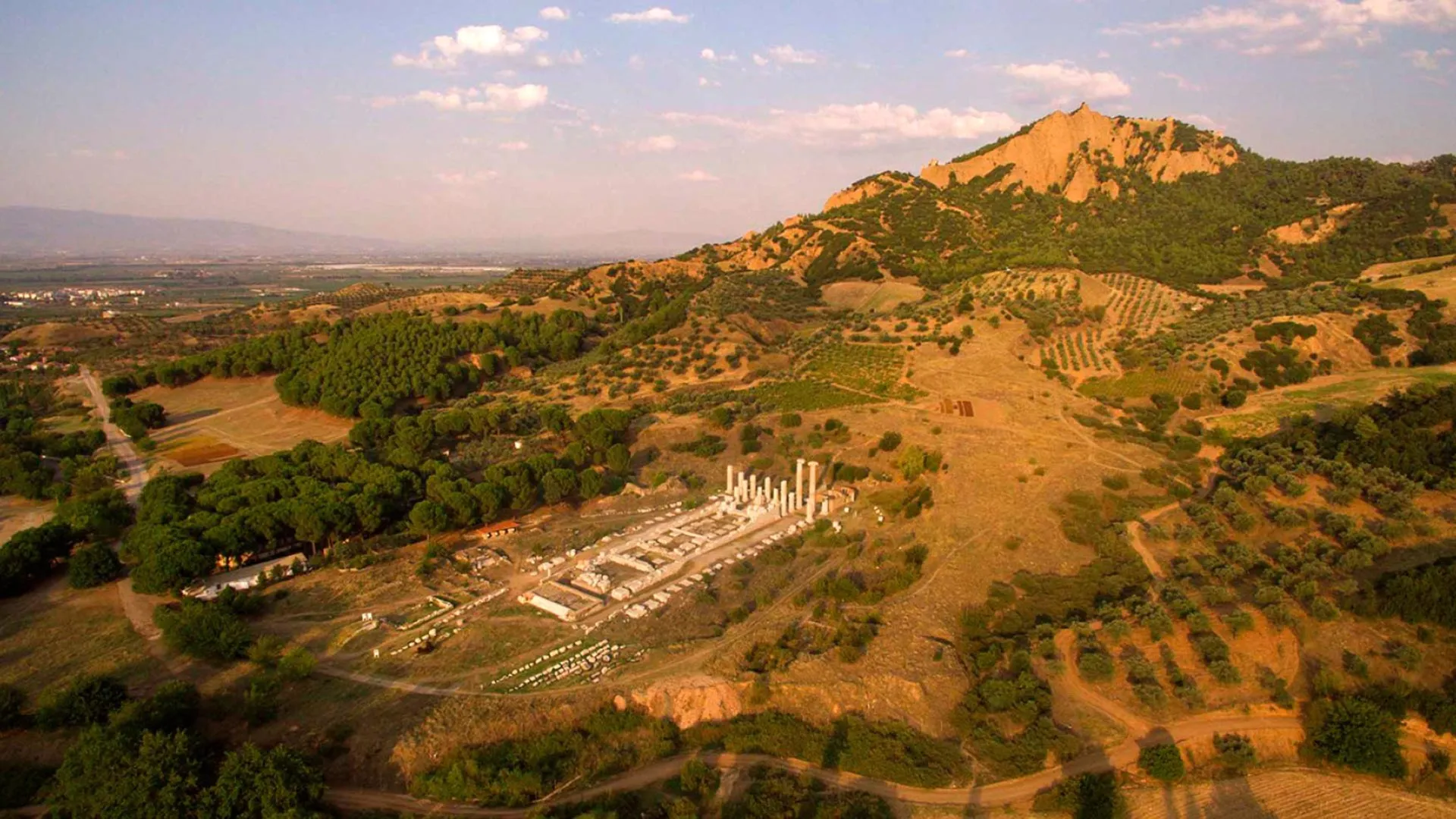
Ancient Sardis has been added to the UNESCO World Heritage List after nearly seven decades of continuous excavation, capping one of the longest-running archaeological projects anywhere in the world. The legendary city in western Turkey has been dug every year since 1958 as part of the Harvard Cornell Exploration of Ancient Sardis, and the new designation celebrates discoveries that keep reshaping how scholars understand the ancient Mediterranean.
A city layered with thousands of years of history
Sardis changed hands repeatedly as Greeks, Romans, Byzantines and Ottomans rose and fell, yet the modern excavation has remained remarkably steady. Once the capital of the Iron Age kingdom of Lydia, the city sat between the Mediterranean coast and the Anatolian plateau, serving as a crossroads of cultural exchange between East and West.
The Lydians are widely credited with inventing coinage, and their ruler King Croesus became legendary across the ancient world for his wealth. Because Sardis was never buried beneath a modern city, with only a small village on the site today, it preserves an unusually unbroken record stretching from the Bronze Age in the third millennium BCE all the way to the present.
"It's really important that it has institutional continuity," said Benjamin Anderson, associate professor of history of art and visual studies, noting it is one of the few long-term projects in the region to generate a critical mass of data.
Decades of discoveries and a model for archaeology
The modern Harvard Cornell partnership began in 1958 under archaeologist George M. A. Hanfmann and architect Henry Detweiler. During the 1950s and 1960s, the team reconstructed a monumental bath gymnasium complex and the largest synagogue known from the ancient world, efforts that became influential templates for conservation and restoration elsewhere.
The finds catalogued over the decades read like a survey of ancient daily life and power:
- Mud-brick city walls and the fortified acropolis.
- A Persian-period refuse pit and a gold-refining workshop.
- An ancient shopping district lined with shops and workshops.
- A sanctuary plaza that alone required 15 years of careful excavation.
Training a new generation
Today the project is based at the Harvard Art Museums and doubles as a field school, with more than half of those involved now Turkish experts and students who spend weeks each summer on site. That continuity has turned Sardis into both a research site and a teaching ground, passing excavation methods from one generation of archaeologists to the next.
Why the UNESCO listing matters
World Heritage status is more than an honor. It signals that a site holds outstanding universal value and brings a stronger framework for protection, international attention and, often, funding and tourism. For Sardis, that recognition arrives at a moment when the site faces real threats.
Researchers warn that erosion, farming damage and large-scale looting still endanger the area. They hope the UNESCO listing will translate into firmer safeguards, more resources for conservation and greater public interest in a place that helped shape the economy and culture of the classical world.
Even after nearly 70 years of work, the team believes Sardis still has a great deal to reveal, from unexplored layers of the Lydian capital to later Roman and Byzantine remains.
Frequently asked questions
Where is ancient Sardis?
Sardis lies in western Turkey, in the historic region of Lydia, between the Aegean coast and the Anatolian interior. It was the capital of the Lydian kingdom before passing through Persian, Greek, Roman, Byzantine and Ottoman control.
Why is Sardis historically important?
It is closely tied to the invention of coinage and to the famously wealthy King Croesus, and its continuous, well-preserved record makes it a rare window into thousands of years of Mediterranean history. For more stories where history meets discovery, explore our science coverage.