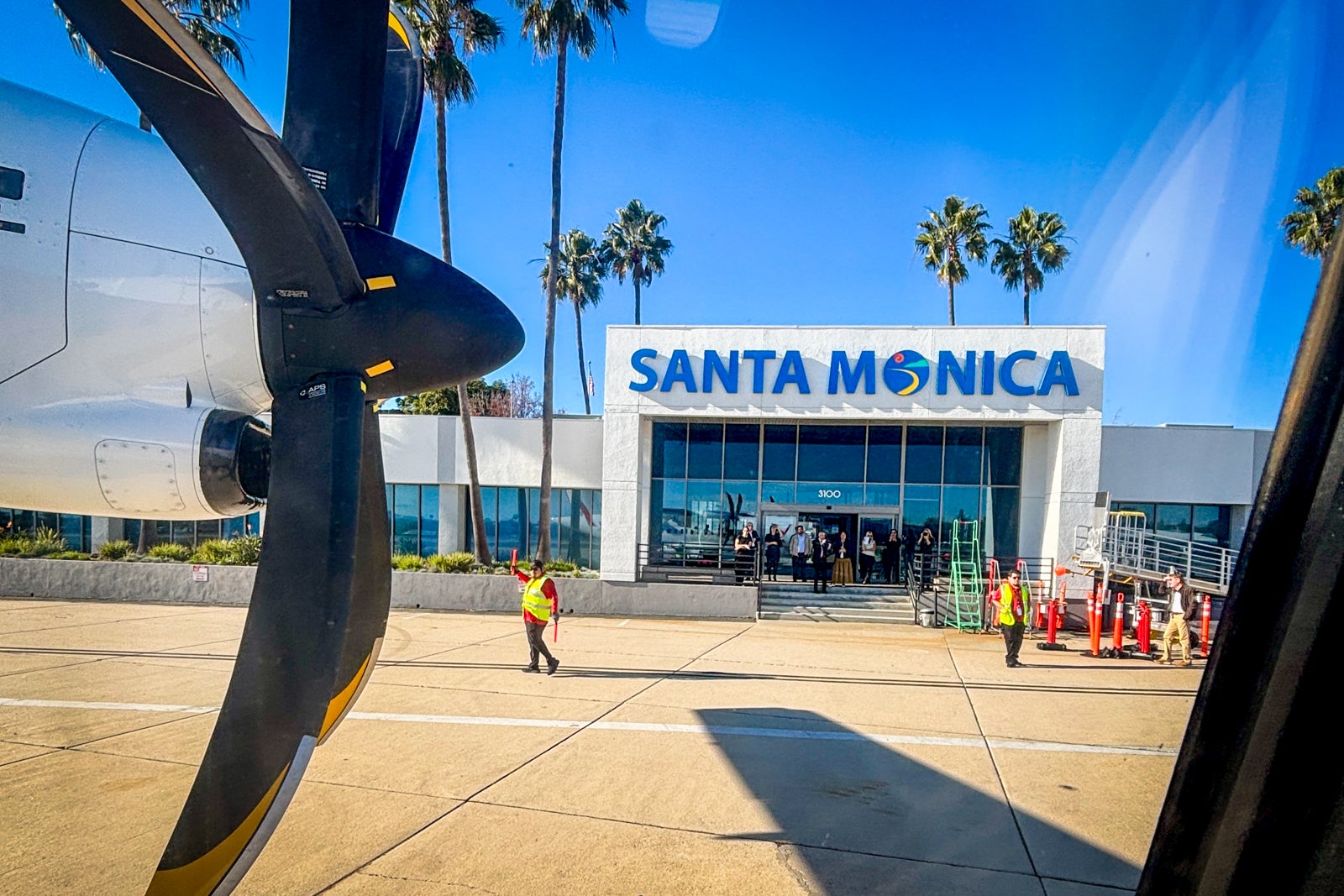
Boutique air carrier JSX is adding a Bay Area route, connecting Santa Monica and Oakland from September 14 using its new 30-seat ATR 42-600 turboprops. The move extends an experiment that lets the upscale carrier reach airports its regional jets cannot serve, and signals growing confidence in flying props on its premium, private-terminal model.
The new Santa Monica to Oakland route
JSX will run up to three daily flights from Santa Monica Airport (SMO) to Oakland San Francisco Bay Airport (OAK). With the addition, the carrier will offer three year-round nonstop routes from SMO:
- Harry Reid International Airport (LAS) in Las Vegas
- Oakland San Francisco Bay Airport (OAK)
- Scottsdale Airport (SCF) near Phoenix
The carrier also serves Napa County Airport (APC) from SMO seasonally in summer, rounding out a small but deliberate Western network. On the loyalty side, travelers can earn points through United Airlines' MileagePlus program or JSX's own Club JSX, following the end of a JetBlue loyalty tie-up in February.
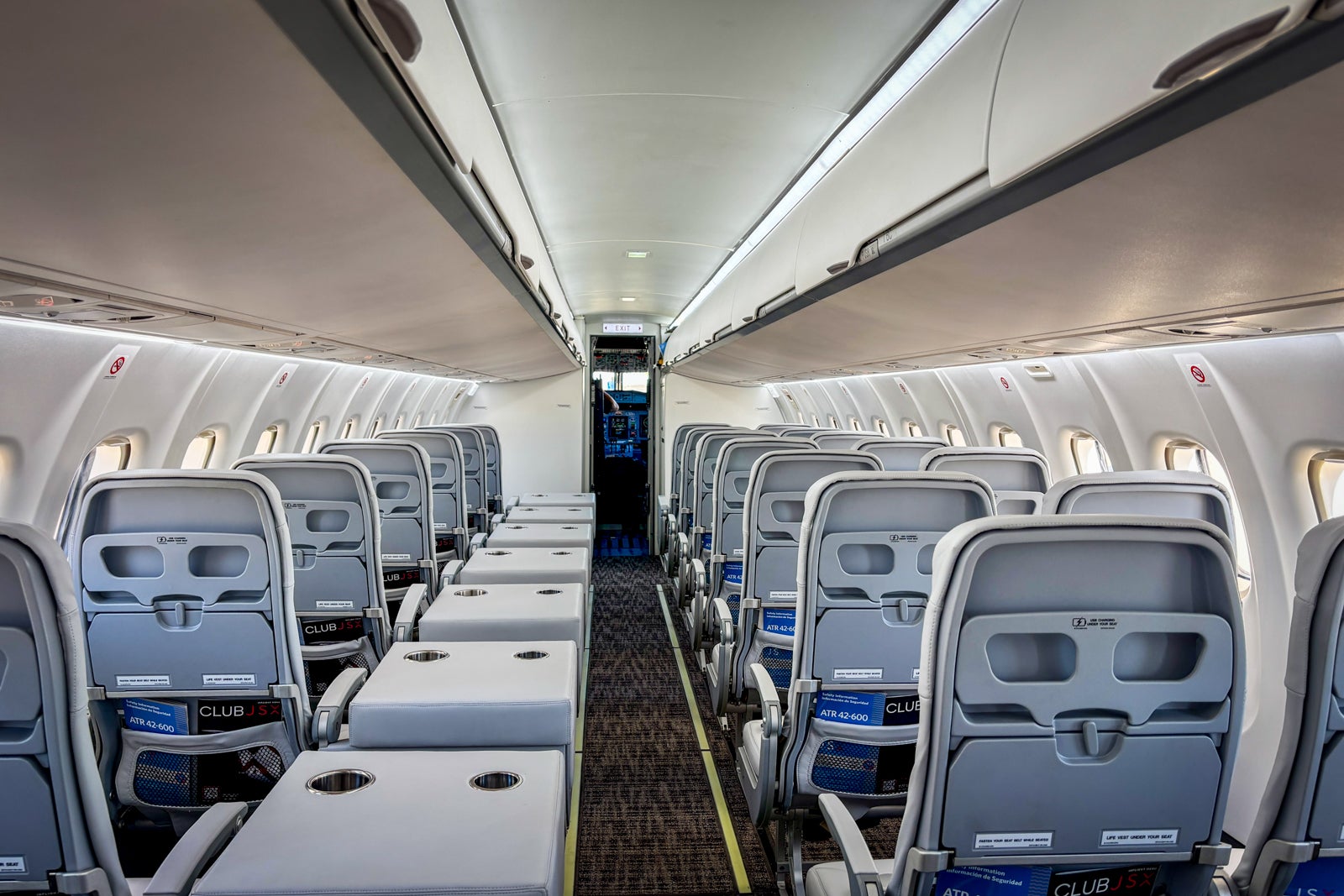
The aircraft themselves lean into the brand's premium positioning. The ATRs are laid out in a 2-1 configuration with white faux-leather seats, a side table by the solo seats and high-speed Starlink connectivity, keeping the cabin closer to a private-jet feel than a typical commuter prop.
Why JSX is flying turboprops now
JSX's SMO operations can only be flown with turboprops due to local restrictions, which is the practical reason the carrier turned to props at all. It debuted the ATRs in December 2025 as a test of whether its private-terminal service would work on a propeller aircraft instead of a jet.
So far, the answer looks positive. CEO Alex Wilcox, speaking at the IATA annual meeting in Rio de Janeiro, said there is no sign travelers are avoiding the ATRs compared with the airline's Embraer ERJ jets. That matters because passenger perception of props, often seen as a downgrade, has long been a barrier for premium operators.
The strategic upside is reach. The turboprops can land at airports jets cannot, whether because of local rules or short runways, opening up destinations like Telluride Regional Airport (TEX) in Colorado. JSX currently flies three ATRs, with a fourth arriving this summer. For more on travel tech and transport, see our business news.
What comes next for the ATR fleet
The expansion still hinges on manufacturer support and continued passenger acceptance. JSX is only the second US operator of the ATR turboprops after FedEx, and ATR sees the carrier as a chance to build a US market for its 40-to-60-seat planes as many 50-seat regional jets head toward retirement, a generational gap the European manufacturer is keen to fill.
If the experiment holds up, JSX could commit to 25 more ATR 42-600s under a tentative deal struck at the 2025 Paris Air Show. For now the four aircraft are leased and can be returned if the trial does not pan out, giving the carrier an exit if demand softens. Wilcox described himself as "very optimistic" while stressing the carrier still needs customers to keep loving the planes, a caveat that frames the whole rollout as a bet still being proven.
Frequently asked questions
When does the JSX Santa Monica to Oakland route start?
Service begins September 14, with up to three daily flights between Santa Monica Airport (SMO) and Oakland San Francisco Bay Airport (OAK) on 30-seat ATR 42-600 turboprops.
Why is JSX using turboprops instead of jets?
Its Santa Monica operations can only be flown with turboprops due to local restrictions. JSX is also testing whether props let it serve airports jets cannot reach because of local rules or short runways.
How many ATR turboprops does JSX have?
JSX currently flies three ATRs, with a fourth arriving this summer, and has a tentative deal from the 2025 Paris Air Show to add 25 more ATR 42-600s if the trial succeeds.