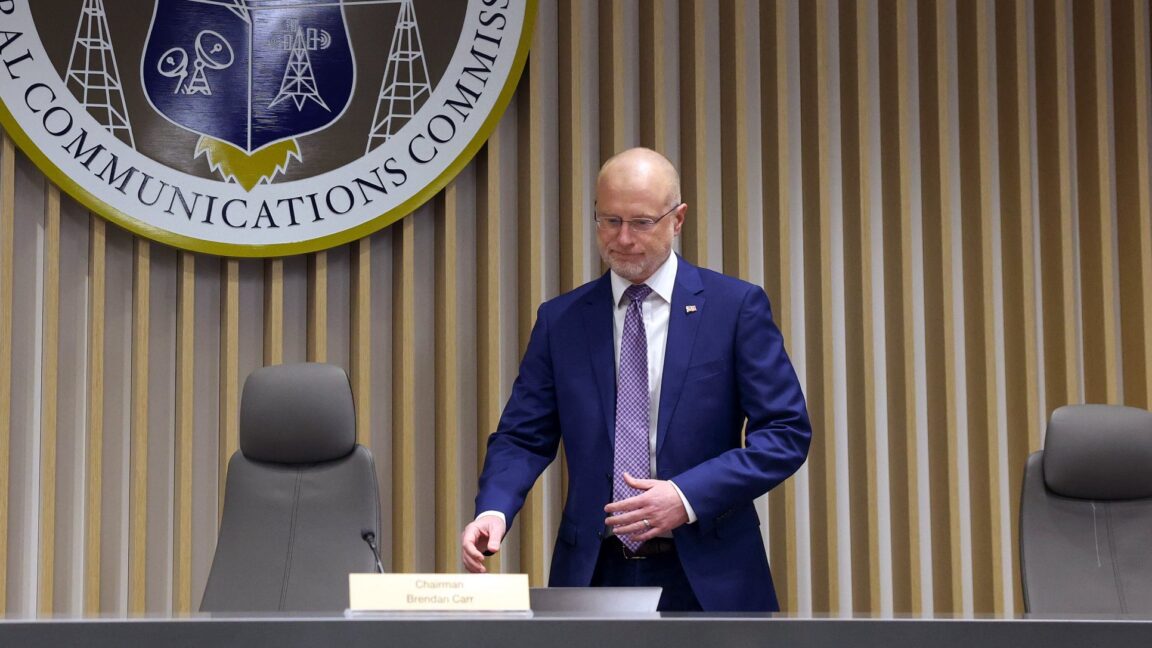
The FCC is accused of hiding Chairman Brendan Carr's communications with DOGE and figures in Elon Musk's orbit by concealing his use of the encrypted Signal app and withholding records sought under the Freedom of Information Act. The claim arrives in a fresh court filing from a transparency advocate trying to map how the Department of Government Efficiency has influenced the telecom regulator, and it sharpens an already contentious public-records fight.
What the FOIA filing against the FCC alleges
Journalist Nina Burleigh and the advocacy group Frequency Forward told the US District Court for the District of Columbia that the agency acted in bad faith. According to the filing, the FCC withheld documents that were responsive to their request and quietly narrowed its search criteria without informing either the plaintiffs or the court.
The most pointed accusation is that the commission concealed the fact that Carr keeps a Signal account on a phone he uses for government business. That matters because Signal can be set to auto-delete messages, and encrypted, disappearing communications are extremely hard to recover once they are gone. If officials conduct public business on a tool that erases its own trail, the records a FOIA request is supposed to surface may never exist by the time anyone goes looking.
Why Signal use complicates public records
Federal records law generally treats messages about government work as agency records, regardless of the app they travel on. Using an ephemeral messaging service does not exempt those exchanges, but it does make compliance harder to verify and easier to dispute. The plaintiffs frame the undisclosed Signal account as the crux of the case rather than a side detail.
How the lawsuit reached this point
Burleigh and Frequency Forward sued the FCC last year, arguing the agency wrongfully held back records it was legally required to release. The dispute has already drawn judicial scrutiny once.
- The suit: filed in federal court, alleging FOIA violations over agency records tied to DOGE's reach inside the commission.
- The 2025 order: a federal judge directed the FCC to produce documents.
- The rebuke: the same judge criticized the commission's response as "vague and uninformative."
The plaintiffs argue the agency has effectively run out the clock, casting the dispute as a year of delay inside an open case. For readers tracking how regulators handle records requests and oversight, this filing is the latest escalation in a fight that began well before the current motion.
Why the DOGE and Musk records fight matters
The case sits at the intersection of public-records law and the question of how far DOGE's influence extends into a federal agency that sets telecom and media policy, decisions that touch everything from spectrum licenses to broadband rules. Concerns about officials using private messaging tools for government work are not unique to the FCC, but a sitting chairman makes for a high-profile test of how those rules apply at the top of an agency.
The dispute also carries added weight because a judge has already weighed in. The order to produce documents, paired with the criticism of the agency's earlier response, set a baseline the plaintiffs now say the commission has failed to meet. If the court agrees that the FCC narrowed its search in bad faith, the ruling could shape how aggressively other agencies are expected to preserve and disclose chat-app communications.
What happens next
For now, the court has not ruled on the new allegations of bad faith, and the agency has not publicly conceded any wrongdoing. The next move belongs to the judge weighing whether the FCC complied with the earlier production order. Coverage of similar transparency and policy battles continues in our business and policy section, and you can follow the latest developments in our news section.
Frequently asked questions
Who is accusing the FCC of hiding records?
Journalist Nina Burleigh and the advocacy group Frequency Forward, who sued the agency over alleged FOIA violations and filed the latest motion accusing it of acting in bad faith.
Why does Chairman Carr's Signal use matter?
Signal is an encrypted app that can auto-delete messages. The plaintiffs say the FCC concealed that Carr keeps a Signal account on a work phone, which could make responsive records hard or impossible to recover.
Has a judge already ruled in the case?
Yes. A federal judge previously ordered the FCC to produce documents and called the agency's response "vague and uninformative." The court has not yet ruled on the newest bad-faith allegations.