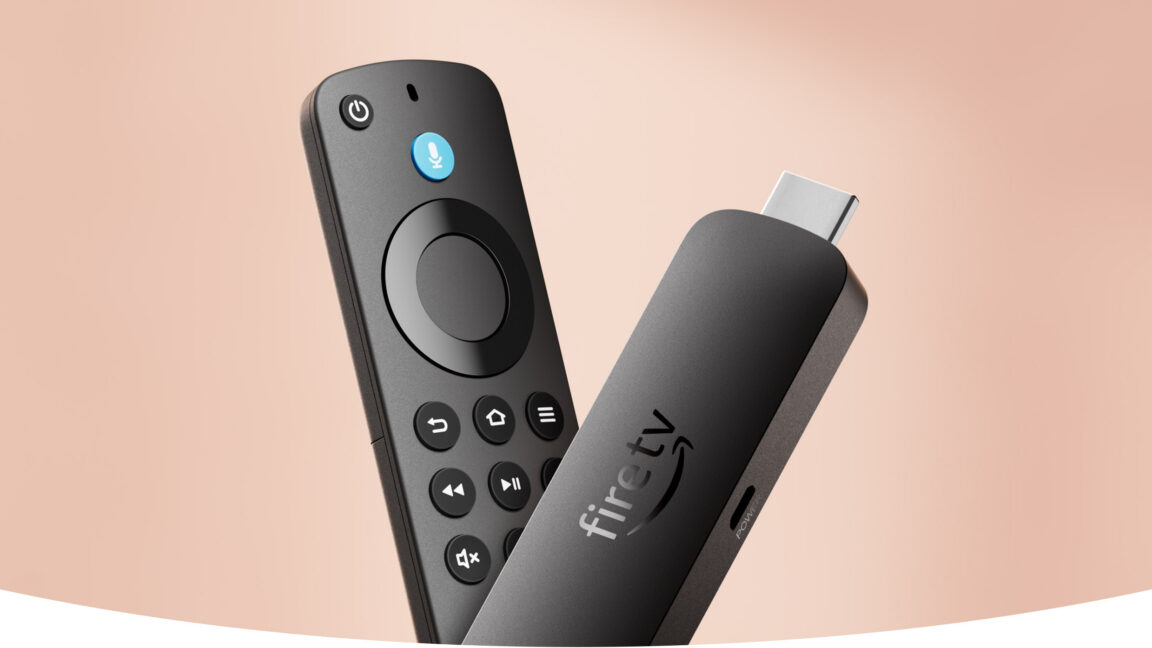
Amazon is blocking app sideloading on its newest Fire Stick models, and the company blames the threat of malware from piracy apps for the decision. The change arrives with Vega OS, Amazon's proprietary, Linux-based operating system that replaces the Android-based Fire OS on new devices and does not allow installing apps from outside Amazon's Appstore.
What is changing on new Fire Sticks
Amazon has released two Fire Stick models that run Vega OS instead of Fire OS. The distinction matters because Fire OS is an Android fork built on the Android Open Source Project, while Vega OS is a from-scratch, Linux-based platform.
One of the biggest practical differences is that Vega OS does not support sideloading. On older Fire OS devices, tinkerers could install apps from outside the Appstore, often pulling them from the Google Play Store to add functionality Amazon did not offer. On the new Vega OS sticks, that door is closed. The shift is a notable move in the streaming-hardware corner of technology news.
Amazon's malware and piracy argument
Amazon's justification centers on security. The company frames the block as a defense against malware, pointing to the reality that sideloading had become closely associated with streaming piracy.
The link is well established. While many enthusiasts sideloaded apps for legitimate added features, the practice also became a common route for piracy, especially of live sporting events. By removing sideloading entirely, Amazon can argue it is cutting off a channel used both to pirate content and to distribute malicious apps disguised as streaming tools.
What users lose
For the broader public, the malware framing is easy to accept, but power users lose real flexibility. Sideloading enabled a range of customizations that Vega OS now forecloses.
- Installing apps not available in Amazon's Appstore.
- Using third-party homepage launchers to replace Amazon's default interface.
- Running ad blockers and other utilities Amazon does not sanction.
The move to block third-party launchers and ad blockers is telling. It suggests the shift is not purely about security, since a locked-down, Appstore-only device also gives Amazon tighter control over the home screen, advertising and the overall experience.
Why the switch to Vega OS matters
Amazon's pivot from an Android fork to a proprietary Linux platform was not a surprise. Reports had signaled the transition ahead of the first Vega OS device, and it fits a wider industry pattern of hardware makers tightening control over their software ecosystems.
For consumers, the trade-off is convenience and openness in exchange for a more curated, controlled platform. Whether that is a fair deal depends on how much you valued sideloading in the first place. Casual users may never notice; enthusiasts who prized the ability to customize their streaming stick will feel the loss. Either way, it marks a clear direction of travel for Amazon's streaming hardware, one worth tracking in our latest news.
Frequently asked questions
Can you still sideload apps on new Fire Sticks?
No. The newest Fire Stick models run Vega OS, which does not support sideloading. Apps must come from Amazon's Appstore.
What is Vega OS?
Vega OS is Amazon's proprietary, Linux-based operating system for Fire Stick devices, replacing the older Android-based Fire OS and removing sideloading support.
Why is Amazon blocking sideloading?
Amazon cites the threat of malware and the strong association between sideloading and streaming piracy, though the change also blocks third-party launchers and ad blockers.