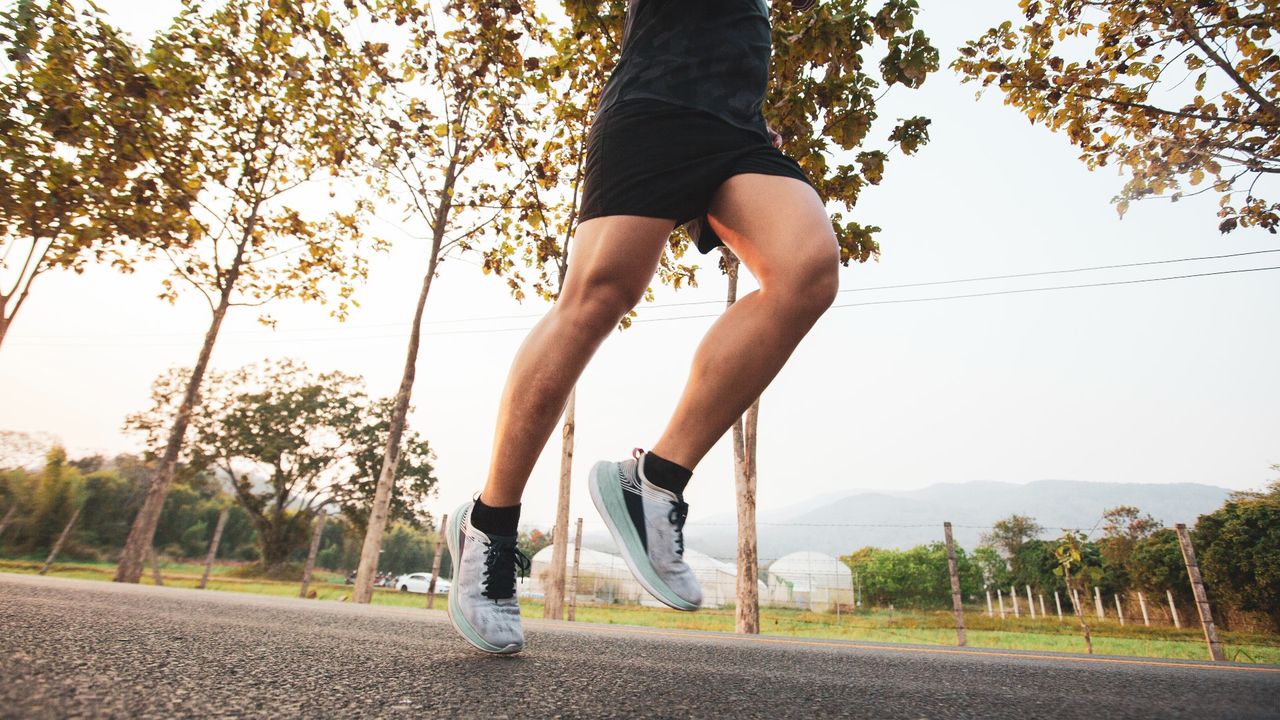
A reminder to look after your legs
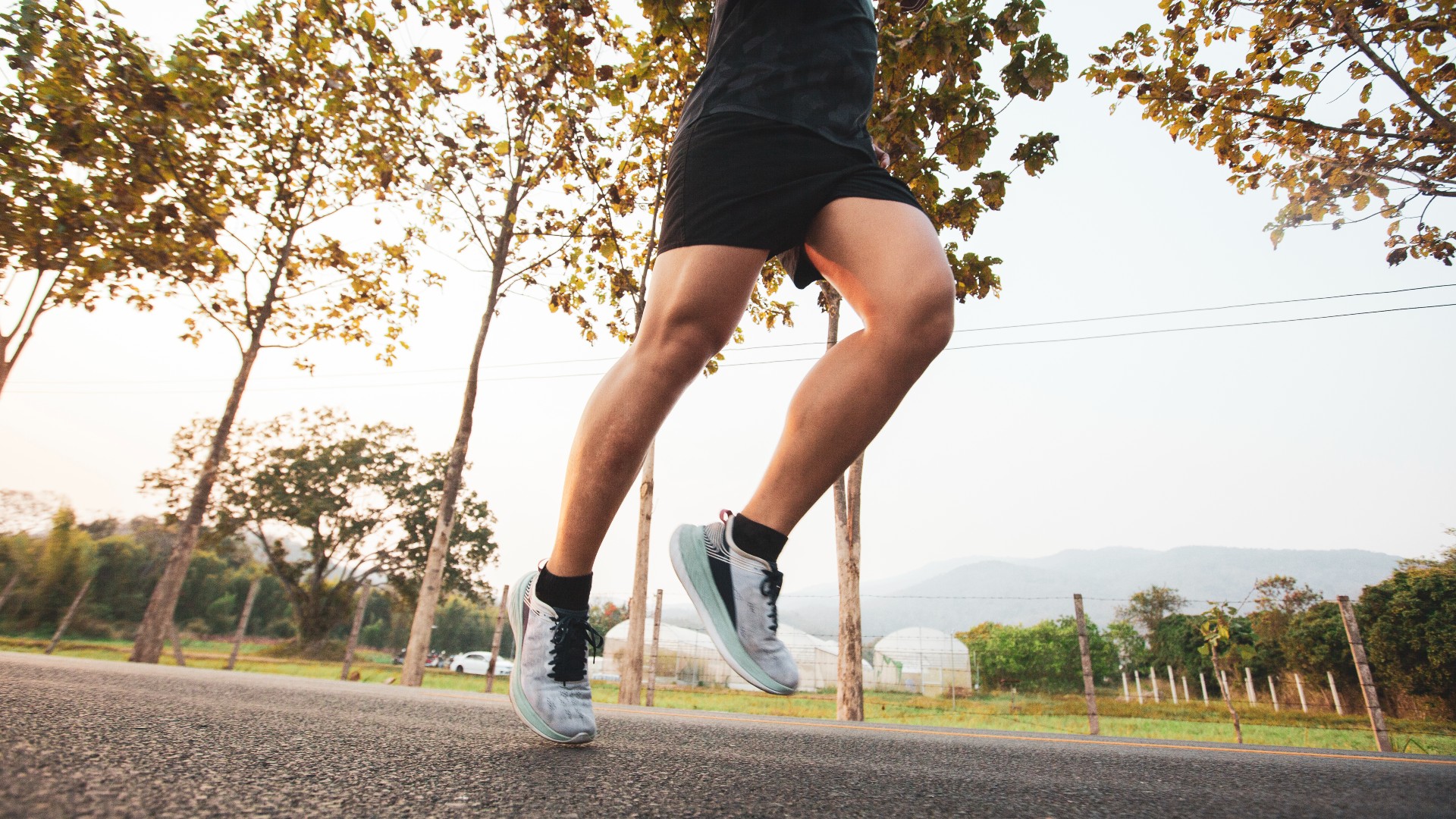
It's been nearly a month, and I'm still bitter. Like several other members of the Tom's Guide fitness team, I was due to take part in the London Marathon last month, and I had my sights firmly set on a new personal record.
I'd trained rigorously throughout the winter and, after a disappointing first attempt at the marathon in 2023, I was ready to take on the course again. I planned to try and complete the race in under four hours, with a target finish time of somewhere between 3 hours 45 minutes and 3 hours 59 minutes. Unfortunately, it wasn't to be.
The best training plans for running a successful marathon set out a mixture of easy runs, tempo runs, and long runs that increase week by week. Then, as you get closer to race day, you reduce your mileage in a tapering process. I was in the midst of this when I took a few days away for a family holiday. No running, no exercise, and a little too much food and drink.
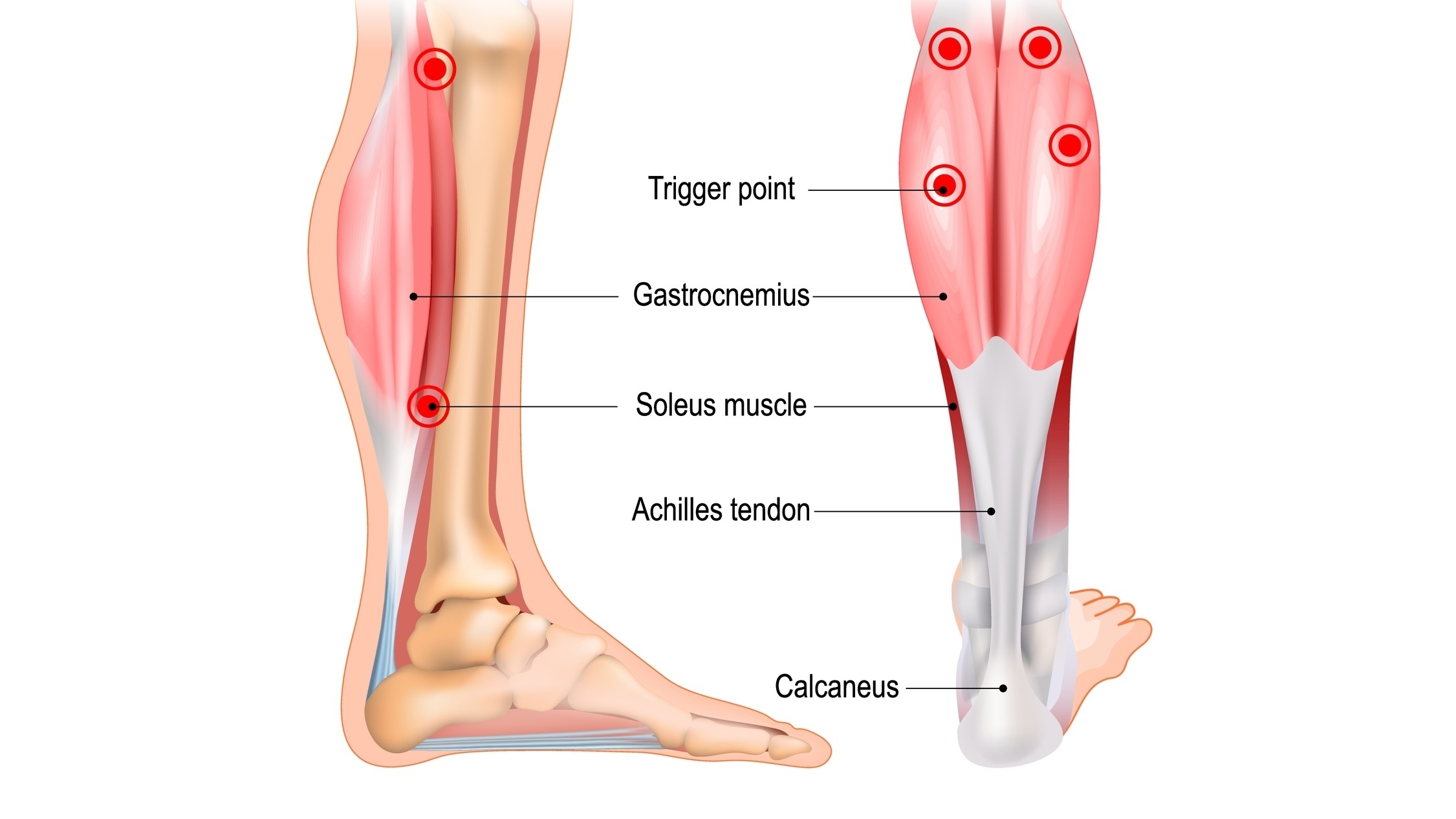
Four miles into my first run back after five days and two weeks out from race day (very early on a cold, damp morning), I felt a short stab of pain in the back of my right calf that intensified with every step I took. I stopped the run immediately and walked home. When it didn't go away for the next couple of days, I spoke to a physiotherapist who confirmed I had a grade 1 soleus muscle strain. In the best case, it would take three or four weeks to recover.
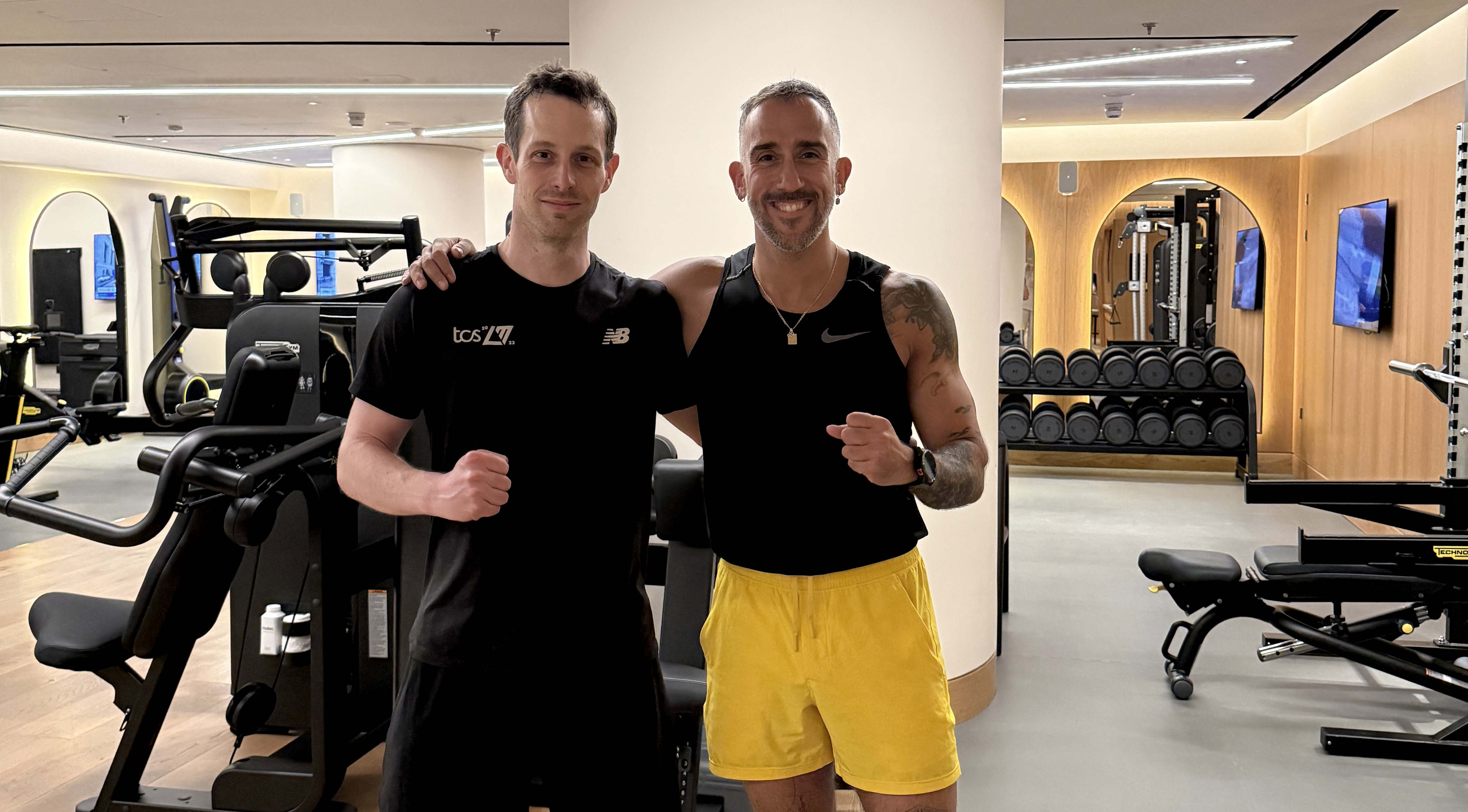
Runners can be stubborn characters, and right up until two days before the marathon, I harboured a faint hope I might be able to compete. As part of my preparation, I had been working with a PT named Matteo based at London's Pillar Wellbeing health club.
Matteo, a runner himself, advised me (in no uncertain terms) that attempting a marathon on a pulled calf muscle wasn't a good idea. Frankly, it was dangerous.
A post shared by The OWO (@theowo.london)A photo posted by on
Matteo reasoned that my two primary reasons for attempting the race — to run a personal record and enjoy the atmosphere — would both be voided by the damaged soleus.
Get instant access to breaking news, the hottest reviews, great deals and helpful tips.
He told me, from experience, that trying to run through an injury destroys any enjoyment of taking part in an event. There will always be another run.
Suffice to say, I withdrew my place in the marathon and let the seven stages of grief do their thing. Coming out the other side, I have a new appreciation for a particular exercise that I'll never neglect again. It'll be a firm fixture in my core routine and warm-up from now on.
The one exercise I'll never ignore
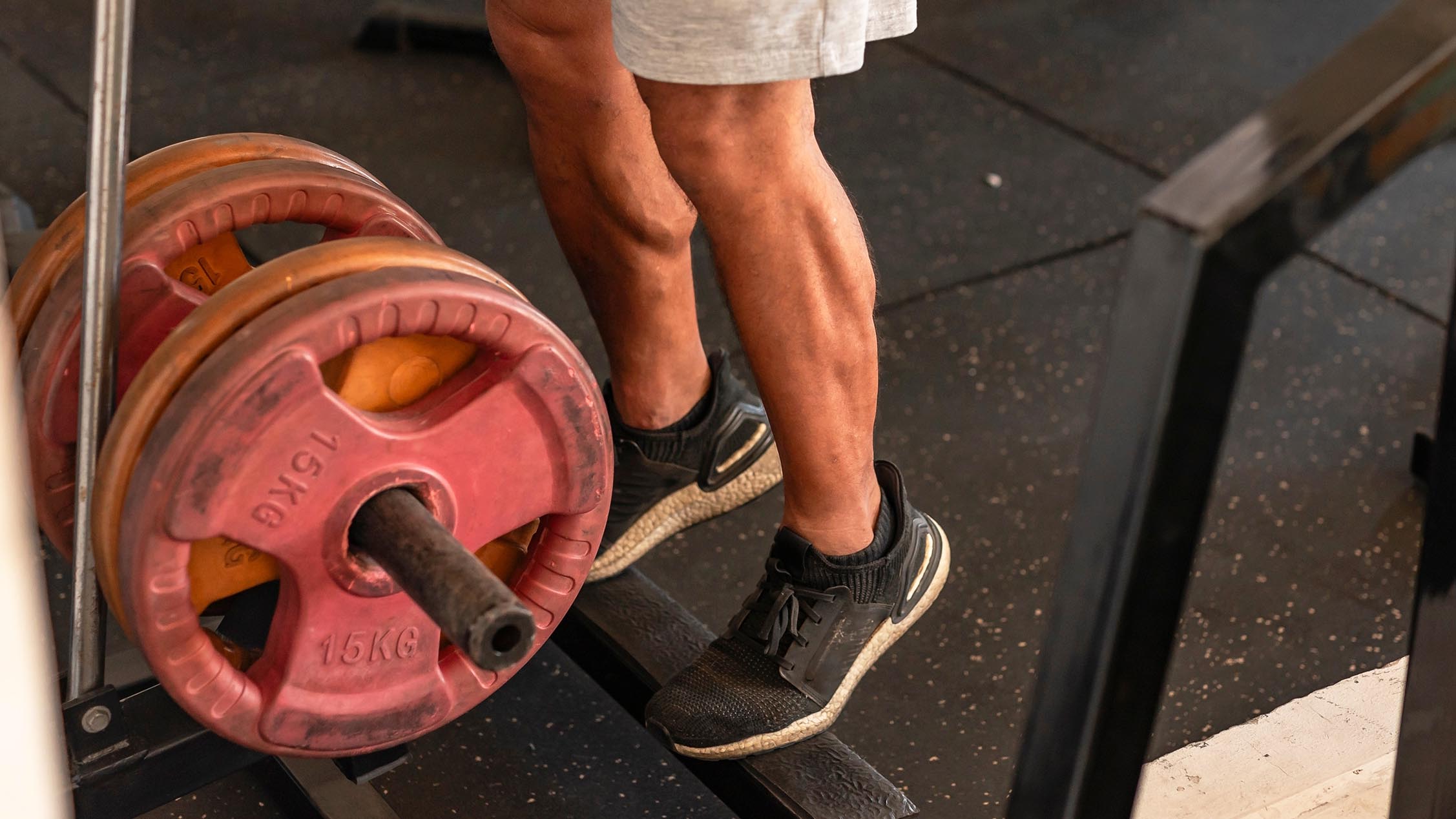
Before a run, I'll generally do a few pogo jumps to warm up, but in all my resistance or weights training, I've never put much stock in calf raises. Well, that changes now.
To execute a calf raise, you need to stand with your feet hip-width apart, either on the ground or on the edge of a step or stair. Next, you stand tall — lifting your heels away from the ground to raise yourself onto the balls of your feet. Slowly, and with control, lower your heels to the ground again.
If balancing on your feet is tricky, you can try seated calf raises as an alternative.
To make the exercise harder, all you need to do is stand on the edge of a step to create a deficit and drop your heels below ground level. This will stretch out your ankles and Achilles tendons and increase your range of motion. The soleus muscle helps with plantar flexion (pushing your toes down), which is crucial for running well but also contributes to your posture. Strengthening the soleus, along with the larger gastrocnemius muscles that protect the knees, is crucial to protecting yourself against strains and tears. Especially if, like me, you're getting on in years.
How to do calf raises
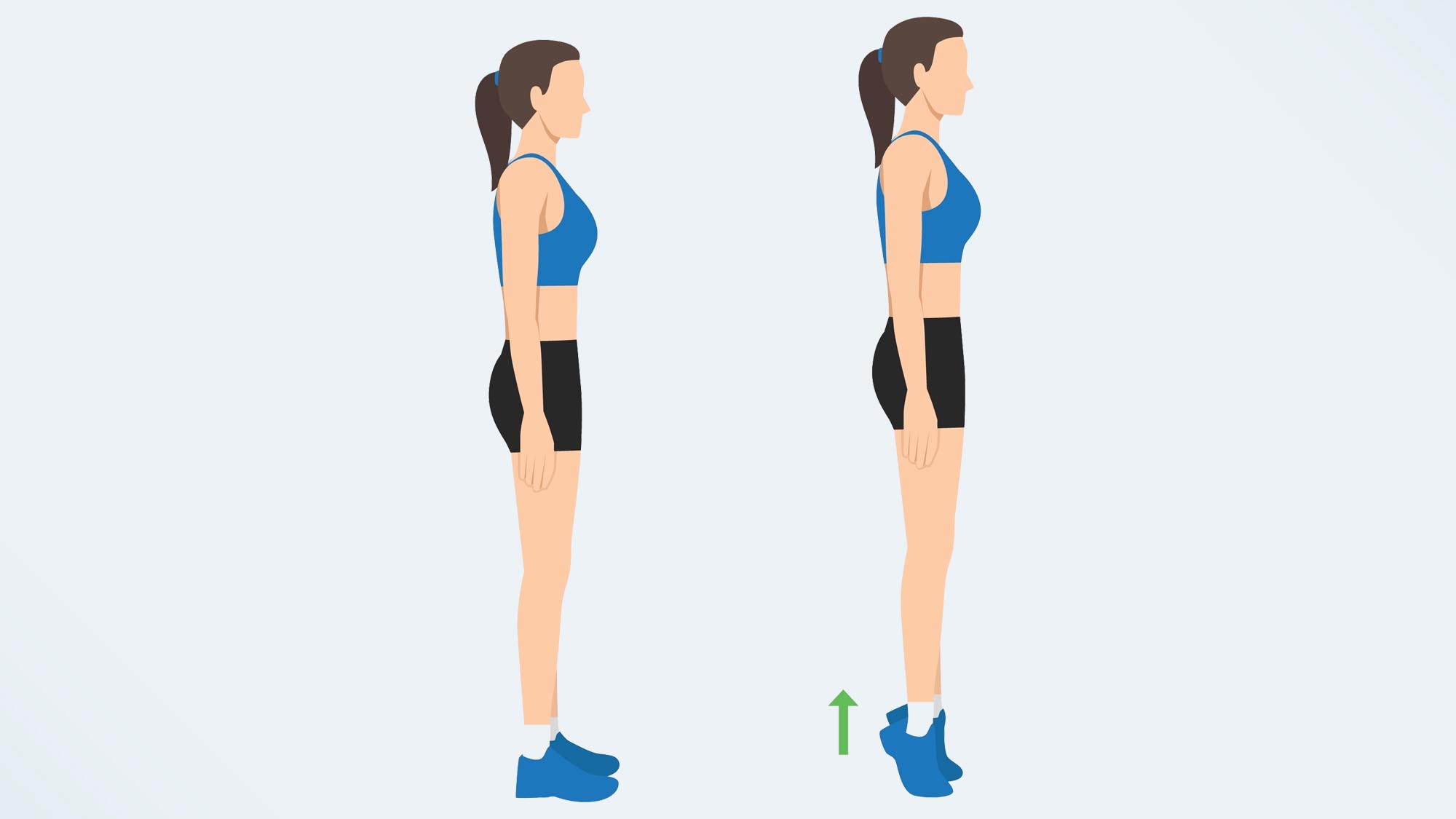
- Stand with your feet hip-width apart
- Maintain a tall posture and engage your core
- Place your hands by your sides, on your hips, or behind your head. You can also hold weights
- Rise onto the balls of your feet with control, counting three to four seconds
- Pause at the top and squeeze your calves
- Slowly lower your heels to the ground again
- If you are opting for deficit calf raises, lower your heels as far as you can while maintaining your balance, then drive upward again
- Continue for 3-4 sets and 6-12 reps.
The silver lining
Not being able to complete the event you've trained for stings, obviously. But the great thing about fitness is that none of the work I put in to get there is wasted. I'm stronger and faster than I've been in a long time, thanks to the marathon training plan I put in place at the start of the year.
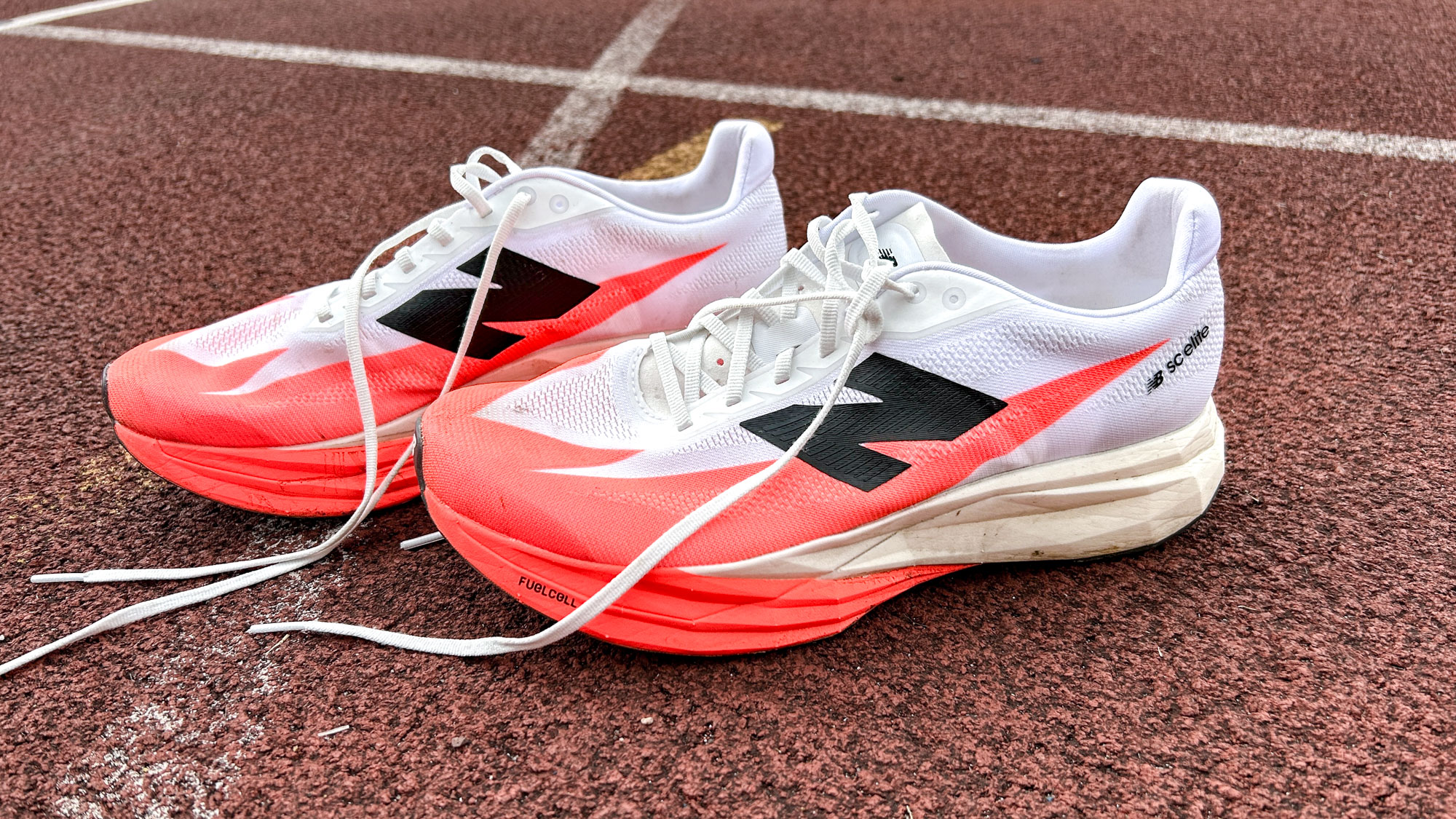
And I've also been able to get to grips with the truly excellent New Balance SC Elite v5 — the carbon-plated running shoe I was set to wear on marathon day. This was my first experience with NB's flagship carbon-plate shoe, and the spring and bounce are incredible. What's more, the shoe is one of the lightest I've ever had the pleasure of running in.
New Balance FuelCell SC Elite v5 (Men’s):
New Balance's flagship racing shoe is lighter and more aggressive than its predecessor. It features a springy midsole made from PEBA foam and a sharp rocker for a faster and more propulsive toe-off, aided by the carbon plate. It’s a versatile running shoe that’s just as good for shorter distances like 5Ks and 10Ks as it is for marathoners, and is available in three different colorways: Urgent Red/White/Black, Tangerine Heat/White Peach, and Boysenberry/Afterglow.
If you want the specifics, it has a stack height of 40mm at the heel, which drops to 32mm at the forefoot for an 8mm offset. It’s lighter than its predecessor, with the SC Elite v5 weighing 7.4oz in a US men’s size 9.5 compared to 8.6oz for the SC Elite. The midsole is made 100% PEBA foam, which is the bounciest, lightest, and best material in New Balance's arsenal.
I've racked up many, many miles in this shoe over the last couple of months and have found it to be comfortable and propulsive off the toe. If you want to know even more about how this shoe shapes up, read my colleague Nick's in-depth review of it right here.
Final thoughts

Facing any kind of setback or failure is uncomfortable, and I don't want to get too prosaic here, but if you can find some wins — however small — in the process, then that can really help salve the wound. In my case, I've got (much) more knowledge about my muscles than I had a month ago and a newfound appreciation for an exercise I had previously ignored.
At the end of the day, my injury and failure to race were my own fault, and nobody else's. I failed to warm up properly or strengthen the muscles that I relied on. But life is just a big classroom, and I'm now positive I won't make the same mistake twice. I just hope that New Balance drops the SC Elite v6 in time for 2027's marathon season.
Have you had an event or competition derailed by an injury? How did you move past it or learn something new? Let me know in the comments section below — I'd love to hear from you.

Follow Tom's Guide on Google News and
add us as a preferred sourceto get our up-to-date news, analysis, and reviews in your feeds. Subscribe to Tom's Guide on
YouTubeand follow us on
TikTok. Finally, you can visit our dedicated
Tom's Guide Savings Squad hubfor expert help on getting the best products for less.
More from Tom's Guide
- Amazon’s New Balance sale is better than I expected — 21 running shoe and apparel deals from $15
- 6 ways to save on buying running shoes — I test sneakers for a living, and you don’t need to spend big money to get great shoes
- How to pace your runs — the pros and cons of using pace, heart rate, power or just running by feel

Jeff is UK Editor-in-Chief for Tom’s Guide looking after the day-to-day output of the site’s British contingent.
A tech journalist for over a decade, he’s travelled the world testing any gadget he can get his hands on. Jeff has a keen interest in fitness and wearables as well as the latest tablets and laptops.
A lapsed gamer, he fondly remembers the days when technical problems were solved by taking out the cartridge and blowing out the dust.
You must confirm your public display name before commenting
Please logout and then login again, you will then be prompted to enter your display name.