Apple is lobbying the Trump administration for clearance to buy Chinese RAM from CXMT, a memory chipmaker the Pentagon has placed on a blacklist, according to a Financial Times report. The push comes as Apple scrambles to secure supply and ease cost pressure during a global memory chip shortage that has already forced the company to raise prices on several products.
What Apple is asking the White House for
The Financial Times, citing six people familiar with the matter, reports that Apple has waged a lobbying campaign to win the White House's blessing to source memory from CXMT, despite the company's alleged connections to the People's Liberation Army. The stated aim is to ease the financial pressure on Apple from rising memory chip prices.
According to the report, Apple contacted the commerce department about a month ago before recently expanding its lobbying effort. The timeline suggests the company escalated only after quieter outreach failed to move the needle.
Technically, Apple is not barred from buying chips from CXMT or fellow Chinese memory maker YMTC. The complication is reputational and regulatory: the Pentagon has placed both on its Chinese Military Company blacklist, the so-called 1260H list, which the report describes as containing dozens of Chinese groups with alleged ties to the PLA that undermine US national security. Buying from a 1260H-listed supplier without cover would be politically fraught. For more on the company's strategy, see our business news.
Why Apple raised Mac and iPad prices
The lobbying follows a week of cost increases. Apple dramatically raised prices on several products on Thursday, including Macs and iPads, citing higher memory and storage chip prices. Memory is one of the few components where a sustained shortage flows almost directly into device pricing, leaving little room to absorb the hit.
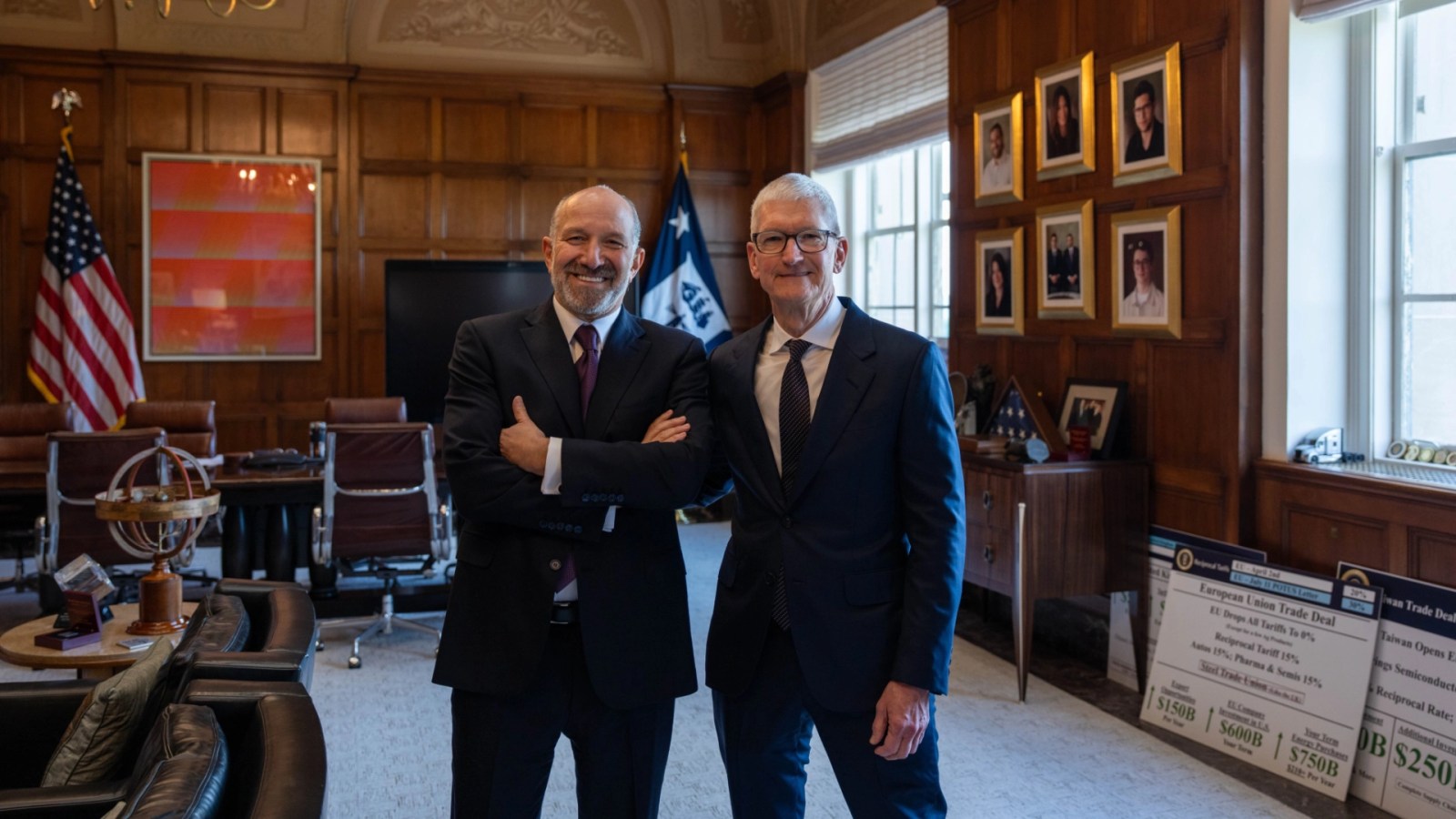
A week earlier, CEO Tim Cook told the Wall Street Journal the company had no choice but to lift prices, and hinted at openness to buying from Chinese firms if approval were granted. Cook noted that China has national champion companies in memory and storage, but that US firms would likely require licenses to work with them under national-security rules. Asked whether those restrictions should be loosened, Cook said, "I think everything needs to be on the table," adding, "I think we should look at all supply."
Why it matters for Apple buyers
The episode shows how tightly Apple's pricing is now tied to the memory market and to geopolitics. Key threads to watch include:
- Apple is intensifying its lobbying after the earlier interview and price hikes failed to produce results.
- National-security rules mean US companies would likely need licenses to work with China's leading memory firms.
- The outcome could shape how Apple manages costs across its hardware lineup if the shortage persists.
For shoppers, the practical takeaway is that the recent Mac and iPad increases may not be the last word. If memory prices keep climbing and Apple cannot diversify supply, further adjustments are possible; if Washington grants clearance and CXMT supply opens up, some of that pressure could ease. Either way, the decision now rests with the administration, and there is no confirmation that approval will be granted.
Frequently asked questions
What is CXMT and why is it controversial?
CXMT is a Chinese memory chip manufacturer. It is controversial because the Pentagon has placed it on its 1260H Chinese Military Company blacklist over alleged ties to the People's Liberation Army.
Is Apple legally banned from buying CXMT chips?
No. The report notes Apple is not technically barred from buying from CXMT or YMTC, but doing business with a blacklisted firm raises national-security and licensing complications, which is why Apple is seeking the administration's approval.
Why did Apple raise Mac and iPad prices?
Apple cited higher memory and storage chip prices driven by a global shortage, and Tim Cook said the company had no choice but to lift prices on affected products.